Ghana’s National Health Insurance Scheme (NHIS) has plunged into an acute crisis, with a sustained collapse of its national digitised platform forcing hospitals to revert to the defunct ‘Cash and Carry’ system. The disruption, reportedly ongoing for over a week, is denying life-saving care to thousands of cardholders and raising fears that the country’s long-cherished goal of universal healthcare is unravelling.
The catastrophic operational failure was starkly evident at the Gbawe SDA Hospital in the Weija-Gbawe Municipal Assembly on Tuesday, October 7, 2025. Patients navigating heavily rain-drenched, unpaved roads to reach the hilltop facility were met with the same dejecting news: the NHIS system was inaccessible, rendering their insurance invalid for the day, checks by MyJoyOnline revealed.
Get more exclusive breaking news updates on our WhatsApp channel .
The technological breakdown has caused patients who rely on the NHIS, introduced in 2004 to end out-of-pocket payments, to bear full commercial fees, leading to severe financial shocks. Consultation fees, which normally cost a registered member GH₵18 under NHIS tariffs, skyrocketed to GH₵54, a 200% increase. Critical laboratory tests, including malaria tests and full blood counts, were no longer covered, forcing patients to pay the entire cost upfront.
Nii, a young man accompanying his 73-year-old mother for routine care, expressed his frustration, noting, “I would have paid less than GH₵30 for consultation, but I paid GH₵54… I have spent a little over GH₵200, which includes the labs we just did. If the NHIS were to be active, I would have paid less than GH₵150.” A female patient in her 30s, recently discharged after admission, reported spending GH₵1,500, believing her charges “would have been less than GH₵1,000” if the NHIS were operational. She added, “If the system is down, they have to do something about it. It is not everyone who can afford healthcare without insurance coverage. It is a big challenge because I didn’t plan on spending that money.”

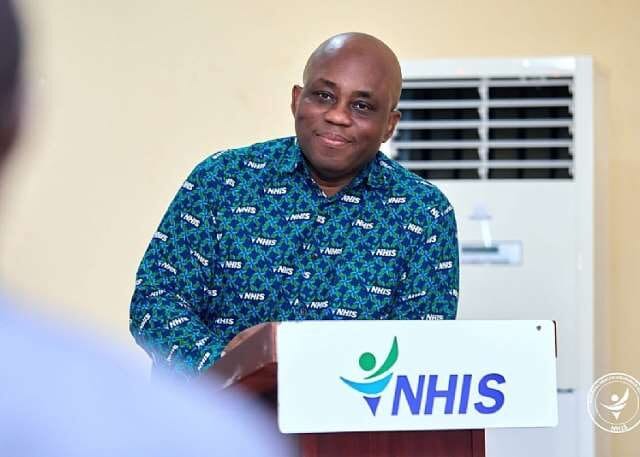
Dr. Victor Asare Bampoe, Chief Executive of the National Health Insurance Authority (NHIA), acknowledged the challenges, confirming that some facilities were either turning away scheme members or charging them upfront due to their inability to authenticate membership. “We want our members to have a cash-free experience as much as possible, regardless of the challenge,” he said, describing the situation as unacceptable during a visit to the Ho Teaching Hospital on October 8.
The NHIA noted that the national electronic health records and hospital management system, facilitating the scheme’s operation, is owned and managed by a separate entity. Dr. Bampoe pledged immediate action, stating the NHIA is exploring short- to medium-term measures to prevent out-of-pocket payments and may even “consider deploying some of our staff to support the facilities and ensure that doesn’t happen.”
While promising close collaboration with the Ministry of Health to restore full system functionality as quickly as possible, the NHIA faces the urgent task of addressing the sudden return of Cash and Carry, which has crippled access to care for over 16 million active NHIS members and threatens to reverse major public health gains in Ghana