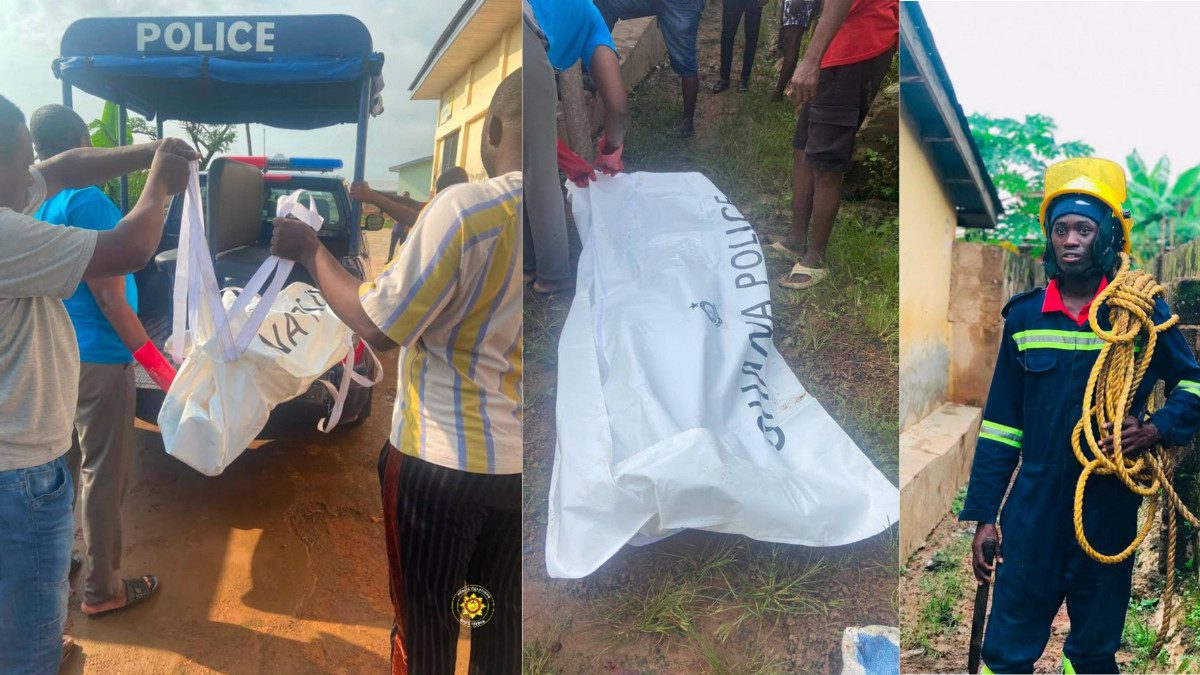
The Ghana National Fire Service (GNFS) has recovered the body of a man from a flooded drainage channel at Kpando-Gabi in the Kpando Municipality of the Volta Region.
The tragic incident occurred on Friday, 3rd July 2026, following heavy rainfall that caused a drainage channel near the Kpando-Gabi M/A Junior High School (JHS) to overflow dangerously.
Get more exclusive breaking news updates on our WhatsApp channel .
According to an official statement from the GNFS, firefighters from the Kpando Fire Station responded promptly to a distress call reporting that an individual had accidentally entered the flooded channel.
The team conducted a professional search and recovery operation, locating the body of the male victim. It was subsequently handed over to the Ghana Police Service for necessary investigations, identification, and further action.

Heavy downpours overwhelmed the local drainage system at Kpando-Gabi, turning a seemingly ordinary channel into a fast-flowing, hazardous waterway.
The victim reportedly entered the flooded area accidentally. Kpando-Gabi, like many communities across the Volta Region and other parts of Ghana, faces seasonal flooding challenges due to a mix of topography, inadequate infrastructure, and human factors.
The proximity of the incident to a basic school raises additional concerns about child safety.
Flooding remains one of the most frequent and destructive natural hazards in Ghana. Every rainy season brings reports of submerged homes, destroyed farmlands, disrupted transportation, and loss of lives.
Key contributing factors include poor drainage infrastructure, encroachment and illegal structures on waterways, floodplains, and natural drains, indiscriminate waste disposal with plastic waste, silt, and debris clogging culverts and channels, climate change effects with more intense and erratic rainfall patterns, and human behaviour such as crossing flooded areas.
The GNFS has consistently urged the public to avoid crossing flooded drains, streams, and waterways during heavy rains. As stated in their release: “Floodwaters can be swift, unpredictable, and life-threatening.” Even shallow-looking water can hide strong currents capable of sweeping adults off their feet.
The swift action by the Kpando Fire Station crew demonstrates the professionalism and readiness of GNFS personnel. Collaboration between the GNFS, National Disaster Management Organisation (NADMO), Municipal Assemblies, and the Police is essential for effective flood response and long-term risk reduction.
Tragedies like the one at Kpando-Gabi should prompt immediate reflection and action.
For the public: never attempt to wade through or drive across flooded areas, stay informed via official weather updates from the Ghana Meteorological Agency, avoid low-lying areas and waterways during heavy rains, participate in community clean-up exercises, and educate children and family members about flood dangers.
For authorities: accelerate desilting and upgrading of drainage systems, enforce by-laws against encroachment and illegal waste dumping, invest in early warning systems and community sensitisation programmes, provide alternative safe routes and temporary shelters, and integrate flood risk considerations into urban planning and development approvals.
The recovery of the man’s body at Kpando-Gabi is not an isolated event but part of a recurring pattern. As climate patterns shift and urbanisation accelerates, Ghana must build greater resilience against flooding through substantial investment in green infrastructure, sustainable waste management, and climate adaptation measures.
May the soul of the deceased rest in perfect peace. To his family and loved ones, the nation extends heartfelt condolences. The GNFS message is clear and urgent: Stay away from flooded drains and waterways. Your caution could save a life, perhaps your own.