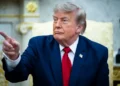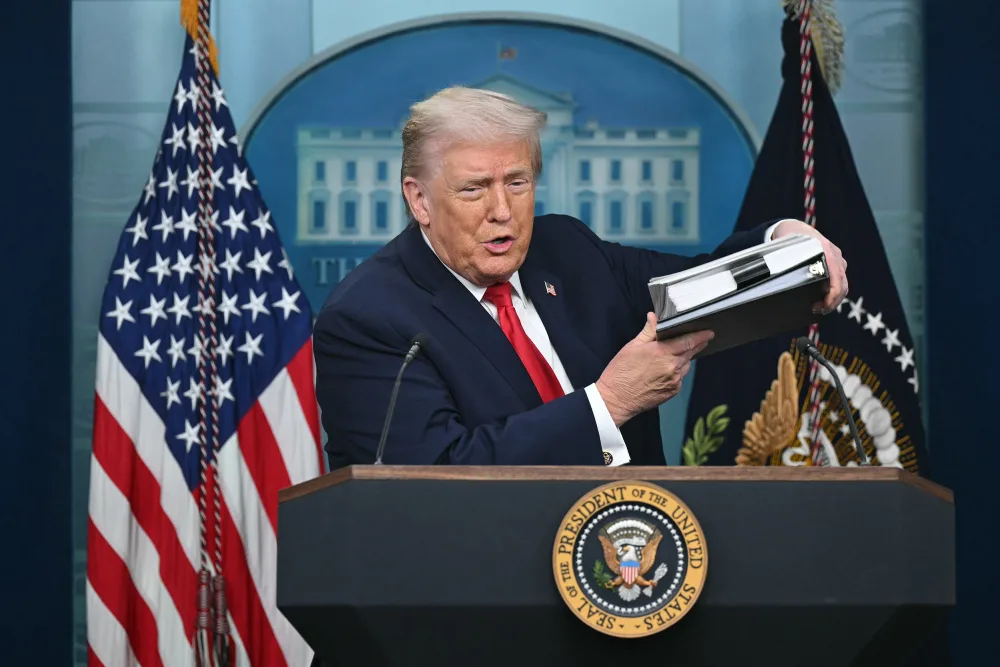
In a surprising turn in the escalating conflict between the United States and Iran, U.S. President Donald Trump announced that planned military strikes on Iranian power plants have been postponed, citing “productive conversations” aimed at opening diplomatic channels.
The announcement, made on 23 March 2026, came as part of continued efforts by Washington to manage tensions and explore avenues for de‑escalation amid a crisis that has already seen significant military engagement in the region.
Get more exclusive breaking news updates on our WhatsApp channel .
According to the White House, the pause in attacks on energy infrastructure is intended to create space for negotiations that could lead to a broader halt in hostilities.
President Trump described recent discussions as constructive and positioned the postponement as an opportunity to pursue a diplomatic resolution.

However, Iranian officials have directly denied that substantive talks are taking place, dismissing the U.S. claims. Tehran’s statements suggest that no formal negotiations have been agreed and that the world should not interpret the postponement as a negotiated settlement.
Despite the pause specifically affecting planned strikes on power facilities, reports from independent media and analysts indicate that military operations have continued in other forms.
U.S. forces, acting alongside allied units, have reportedly maintained pressure on selected military targets, even as actions against civilian energy infrastructure are temporarily on hold.
The announcement had an immediate impact on global markets. Oil prices, which had surged sharply amid fears of regional escalation, experienced a significant pullback as traders reacted to reduced immediate threat to energy infrastructure.
Stock markets in the U.S. and Europe also showed modest gains as risk appetite returned in the short term.
Experts caution, however, that the postponement does not necessarily signal the end of conflict.
The pause appears limited in scope and duration, and without clear confirmation of genuine diplomatic engagement, uncertainty remains high.
Analysts note that unless both sides commit to sustained dialogue and mutually acceptable terms, broader military confrontation could resume.
For civilians and policymakers alike, the mixed messages from Washington and Tehran highlight the complexity of the crisis. While the delay in attacks on power plants is a welcomed break for regional stability, the absence of confirmed negotiations raises questions about what comes next.
As events continue to unfold, the international community is closely watching whether this temporary measure can evolve into a meaningful diplomatic breakthrough, or if it will simply serve as a brief lull amid ongoing tensions.