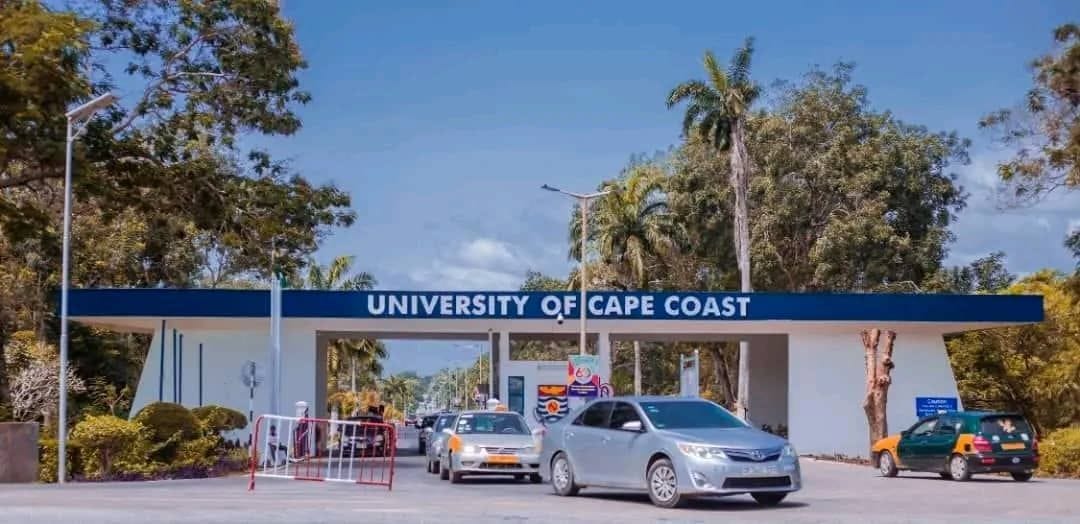
Students at the University of Cape Coast have been called upon to bridge the gap between academic knowledge and practical governance, as part of efforts to cultivate the next generation of competent and responsible leaders.
During a recent lecture and interactive session, faculty and guest speakers emphasized that theoretical understanding alone is insufficient for effective leadership.
Get more exclusive breaking news updates on our WhatsApp channel .
Students were encouraged to actively engage in civic initiatives, community projects, and policy discussions to translate their classroom learning into tangible contributions to governance and public service.
The initiative aligns with the university’s broader mandate of nurturing socially responsible graduates who can participate meaningfully in national development.

By combining academic rigor with practical exposure, students are expected to develop problem-solving skills, ethical decision-making, and an understanding of institutional processes,qualities essential for leadership in both public and private sectors.
Students were also urged to take advantage of mentorship programs, internships, and collaborative platforms with government agencies and civil society organizations.
Such opportunities, the facilitators noted, would allow them to observe and contribute to policy implementation, governance strategies, and administrative reforms firsthand.
The session concluded with a call for students to view themselves as active stakeholders in shaping Ghana’s democratic and developmental trajectory, emphasizing that bridging theory and practice is key to becoming impactful leaders.