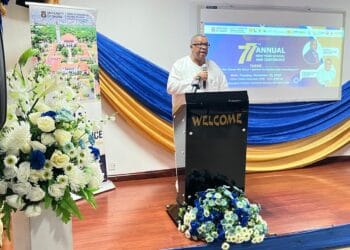


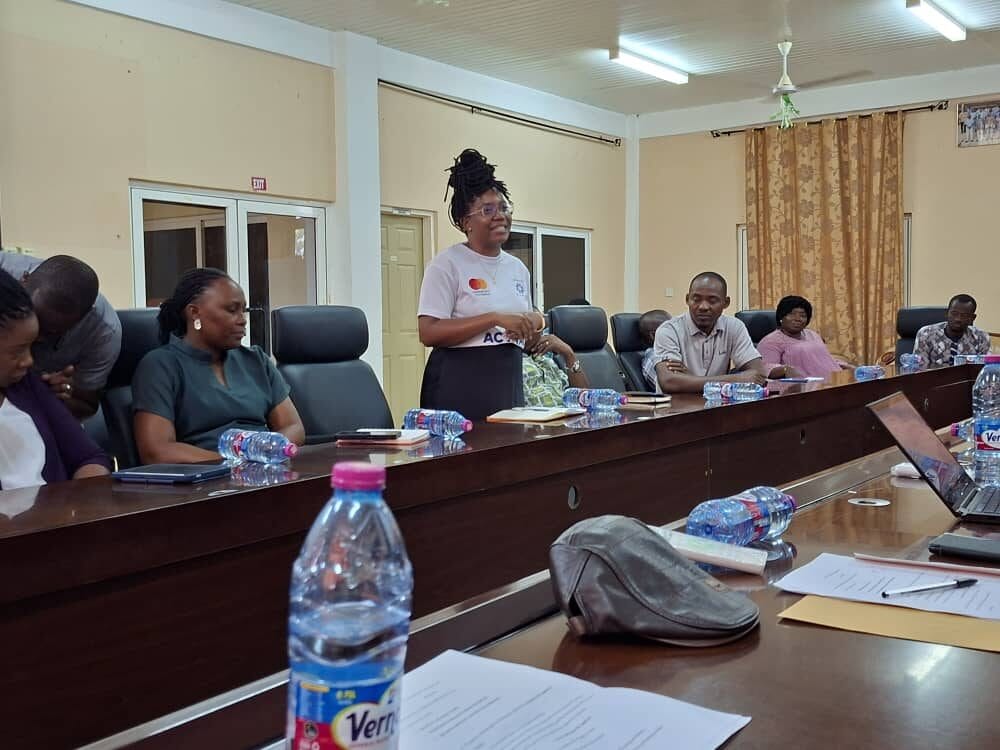
The Bolgatanga Technical University (BTU) on Monday convened a high-level stakeholder engagement to assess progress on two major youth development initiatives designed to strengthen technical and vocational education and improve economic prospects for young people in northern Ghana.
The two projects, the Design Technology Institute (DTI) Precision Quality (PQ) Curriculum Integration Project and the World University Service of Canada‘s (WUSC) ACTIVATE Agriculture Technical and Vocational Education and Training (ATVET), are funded by the Mastercard Foundation and implemented in partnership with both DTI and WUSC. As a core implementing institution, BTU is responsible for aligning the projects with its academic structures, training systems and mandate to drive industry-focused, transformative education.
Get more exclusive breaking news updates on our WhatsApp channel .
The PQ Curriculum Integration Project aims to embed Precision Quality standards into BTU’s instructional delivery, ensuring that graduates attain industry-ready competencies required in modern workplaces. Complementing this effort, the ACTIVATE ATVET project enhances agriculture-based technical and vocational training to equip the youth with practical skills for employability and sustainable livelihoods. Together, the initiatives advance a broader mission to deliver high-quality, market-responsive training that empowers young people to contribute meaningfully to national development.
Professor Daniel Oppong-Sekyere, Dean of the School of Agriculture and Chairman for Competency-Based Training (CBT) programmes, said the DTI PQ project, running from the 2024–2025 to the 2026–2027 academic years, is already yielding positive outcomes, including improved teaching support, retooling of BTU laboratories, internship sponsorships for PQ-trained students and support for annual job fairs. He added that the five-year ACTIVATE ATVET project, which began in 2024 and will end in 2028, is equally contributing to equipping the youth with practical skills for employability and sustainable livelihoods.

Professor Peter Osei Boamah, Pro-Vice Chancellor of BTU, expressed gratitude to WUSC, DTI and the Mastercard Foundation for their sustained support, reaffirming the university’s dedication to ensuring the successful implementation of both initiatives. He said the projects align closely with BTU’s mission to deliver quality education, industry-led training and transformative learning experiences. He added that BTU would continue to maintain high standards, strengthen communication with partners and maximise the synergies between the PQ and ACTIVATE ATVET projects.
Representatives of the Mastercard Foundation, including Ms Joan Buo and Mr Edwin Fayorsey, commended BTU, WUSC and DTI for their strong commitment to effective implementation. They said the progress made so far demonstrates the strength of the partnership and reaffirms the Foundation’s commitment to supporting initiatives that create lasting opportunities for young people, especially young women, to become agents of transformation in their communities.