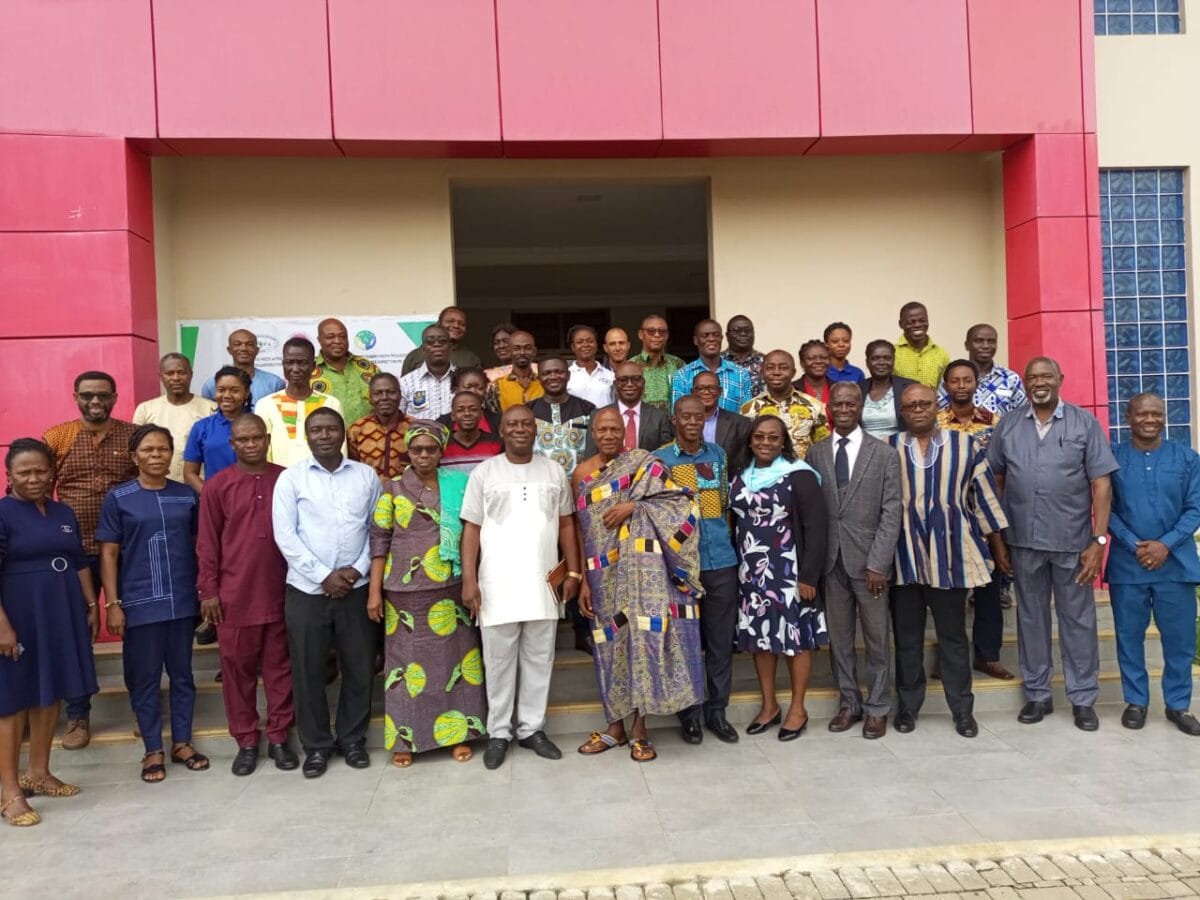
The Akrofuom District National Commission for Civic Education (NCCE), in collaboration with the United Nations Population Fund (UNFPA), has held a stakeholder meeting to address issues related to adolescent reproductive health and Gender-Based Violence (GBV).
The engagement brought together key stakeholders from the Department of Social Welfare, the Domestic Violence and Victims Support Unit (DOVVSU), the Commission on Human Rights and Administrative Justice (CHRAJ), the Traditional Council, and leaders of various community-based and youth groups.
Get more exclusive breaking news updates on our WhatsApp channel .
The meeting aimed to empower local actors to promote healthy adolescent development, reduce teenage pregnancies, prevent GBV, and strengthen community structures that support the well-being of young people.
Mr Kassim Ali, the Akrofuom District Director of the NCCE, described the dialogue as timely, citing the increasing rate of teenage pregnancies and school dropouts in the district. He noted that the breakdown of homes and weak parental guidance continued to undermine children’s development and social values.

“If we fail to secure the future of our young people, posterity will not forgive us,” Mr Ali cautioned, stressing that all stakeholders share a responsibility to protect the welfare of children and adolescents.
Mrs Louisa Suglo, a representative from DOVVSU, expressed concern over the growing number of gender-based abuse cases reported in the district. She called for intensified community sensitisation on the various forms of abuse and the available channels for reporting and redress. She added that many victims remained silent because they lacked knowledge about their rights or where to seek help.
Mrs Margaret Afriyie, the Adolescent Reproductive Health Focal Person, emphasised the importance of continuous engagement with young people on issues of sexual and reproductive health. She warned that the rising cases of sexually transmitted infections (STIs) and teenage pregnancies could derail the district’s human capital development.
She appealed to parents, teachers, and community leaders to offer stronger support systems and guidance to help adolescents make informed life choices.
Participants agreed to strengthen collaboration among institutions and local leaders to sustain education and advocacy efforts at the grassroots level.