
The Government of Ghana has allocated 80 per cent of the District Assemblies Common Fund (DACF) directly to Metropolitan, Municipal and District Assemblies (MMDAs) under its Reset Agenda to accelerate development and promote inclusivity.
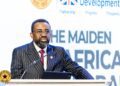
Announcing the allocation in Ho at a stakeholder engagement workshop organised by the Women with Disability Development and Advocacy Organisation (WODAO), Volta Regional Minister Mr. James Gunu said the move reflected the government’s commitment to eliminating discrimination and creating equal opportunities. He stressed that disability was not inability and urged Assemblies to prioritise inclusive development so that persons with disabilities could take centre stage at the local level.
Get more exclusive breaking news updates on our WhatsApp channel .
Mr. Gunu noted that access to affordable housing, education, and social inclusion remained critical challenges, but President John Dramani Mahama had already declared that first-year university students would no longer pay academic user fees, while persons with disabilities would enjoy free tertiary education. He said this policy acknowledged that persons with disabilities constitute about 10 per cent of Ghana’s population and require systems that adequately address their needs.
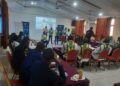
The workshop, held under the theme “Fostering Strategic Alliances to Promote the Rights of Women with Disabilities in Development”, was organised in partnership with Sightsavers International, ABAK Foundation and funded by the European Commission.

Madam Veronica Denyo Kofiedu, Executive Director of WODAO, said the direct release of DACF funds would ensure that the mandatory three per cent allocation for persons with disabilities is duly honoured at the local level. She explained that WODAO has been building the leadership capacity of women with disabilities, advocating for inclusive policies, and expanding its work in areas such as digital accessibility, gender mainstreaming, and climate action. She called for stronger collaboration, stressing that sustainable change could only be achieved through collective effort.
Former Regional Chief Director at the Volta Regional Coordinating Council, Mr. Augustus Awity, urged society to dismantle barriers confronting women with disabilities and ensure their voices are heard in decision-making processes. He said meaningful change would come through collective strength and solidarity.
Sightsavers Country Director Mr. David Agyeman outlined his organisation’s efforts in Ghana, including training medical professionals, tackling neglected tropical diseases such as lymphatic filariasis and river blindness, and playing a leading role in Ghana’s elimination of trachoma in 2020. He said beyond health interventions, Sightsavers promotes social inclusion, political participation, and economic empowerment for persons with disabilities. He recognised WODAO as a promising organisation that could grow into a national and international brand championing the rights of women with disabilities.
Mr. George Edem Kofiedu, Project Officer of WODAO, emphasised the importance of inclusive budgets, accessible infrastructure, and stronger civic society engagement. He called on media partners to amplify the voices of women with disabilities and urged coalitions to represent diversity, share evidence of barriers and successes, and avoid isolation.
Fraternal messages were delivered by civil society organisations, including the Ghana Federation of Persons with Disabilities, African Disability Institute, Voice of Women and Children with Disabilities, and the Department of Social Welfare, all pledging their commitment to advancing inclusivity in development.