Ghana has reaffirmed its commitment to Pan-African solidarity and humanitarian principles following the temporary arrival of West African nationals deported from the United States.
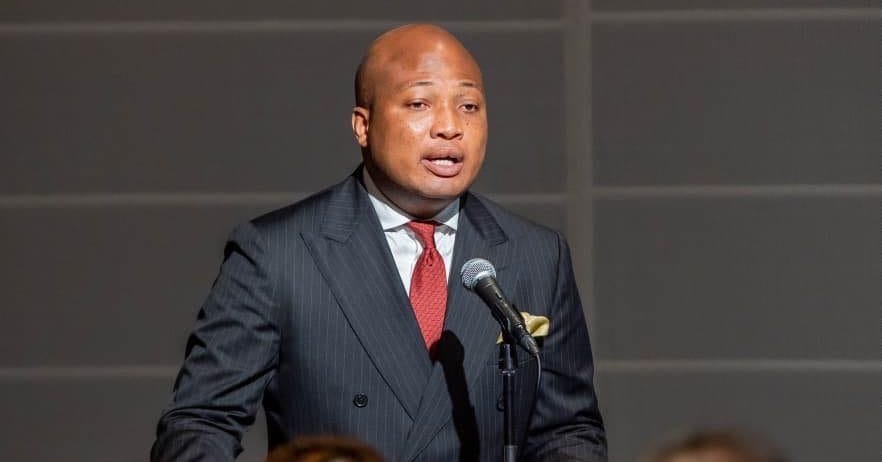
Speaking at the Government Accountability Series in Accra on Monday, Foreign Affairs Minister Samuel Okudzeto Ablakwa said the decision by President John Dramani Mahama’s administration was guided by Ghana’s historical role as a haven for Africans in distress, not by financial or material incentives.
Get more exclusive breaking news updates on our WhatsApp channel .
“Ghana’s action was guided solely by our moral responsibility, legal obligations under the 1992 Constitution and ECOWAS protocols, and our Pan-African track record in championing the rights of all Africans,” Mr Ablakwa stated.
He explained that the 14 deportees, including nationals of Nigeria and The Gambia, were thoroughly vetted to ensure they posed no threat to national security, and have since been assisted in returning to their home countries.

Mr Ablakwa dismissed speculation of a transactional arrangement, emphasising that strict safeguards were in place to protect Ghanaians and that the decision reflects Ghana’s longstanding tradition of hosting African freedom fighters and offering refuge to people of African descent.
The Minister also clarified that the arrangement with the U.S. was a limited understanding, subject to Cabinet approval and legal advice, and not a formal treaty requiring parliamentary ratification under Article 75 of the Constitution.
He placed Ghana’s action in a continental context, noting that countries such as Rwanda, Uganda, Eswatini, and South Sudan have similarly opened their doors to displaced Africans, stressing: “Like them, Ghana is standing up for our brothers and sisters in distress and not endorsing the immigration policies of the Trump administration.”
Mr Ablakwa concluded by assuring citizens that Ghana would uphold its humanitarian obligations while never compromising on national safety: “The nation must understand this as an act of Pan-African empathy, not as a transactional arrangement.”