ActionAid Ghana, an international NGO, has planted trees at Kpanvo Islamic Primary School in the Tamale Metropolis as part of its climate campaign, “Climate Justice and Financing.”
The initiative aims to promote afforestation and improve environmental conditions in northern Ghana, under the theme: “Funding a Just Transition: Innovative Approaches to Climate Finance for Vulnerable Communities.”
Get more exclusive breaking news updates on our WhatsApp channel .
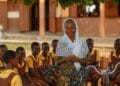
The exercise engaged members of ActionAid’s Activista network and the Young Urban Women’s Movement (YUWM). Mr Alhassan Alhassan, Assistant Headmaster of the school, expressed gratitude for the intervention, highlighting the benefits of the trees in providing shelter and protection from heavy winds. He also pledged to ensure students nurture the plants until they grow into full trees.
The school previously received a borehole from ActionAid Ghana, which will now support proper watering of the newly planted trees.

Following the tree planting, a panel discussion was held at the YUWM Resource Centre in Tutingli, focusing on climate change and financing.
Panellists explored the causes and effects of climate change and practical actions individuals and institutions could take to mitigate its impact. They emphasised shared responsibility between citizens and government, urging enforcement of environmental policies, improved irrigation, and funding for green businesses.
Mrs Beatrice Yanman Biije, Northern Regional Programmes Manager for ActionAid Ghana, highlighted the vulnerability of farmers, especially women, to droughts and unpredictable rainfall. She stressed the urgent need for climate financing to ensure sustainable livelihoods and cleaner, fairer opportunities for women and youth, who are disproportionately affected by climate change.
Dr Kodimah Sita, Executive Director of the Centre for Opportunities and Rural Development, underscored the importance of collaboration between government, civil society, and development partners to address both poverty and climate challenges, noting that droughts, floods, and other climate impacts are destroying livelihoods.