Imagine you run a small haulage company in the Western Region. A mine gives you a contract, so you take out a loan for another truck and hire two more drivers. Then work at the mine is interrupted. The bank still wants its instalment. Your drivers still need their wages. And the last invoice you sent is sitting somewhere in an accounts office.
That is one way to understand what is at stake in the effort to revive Adamus Resources. The national debate tends to follow the names in the headlines. I find myself thinking about the name at the bottom of that invoice.
Get more exclusive breaking news updates on our WhatsApp channel .
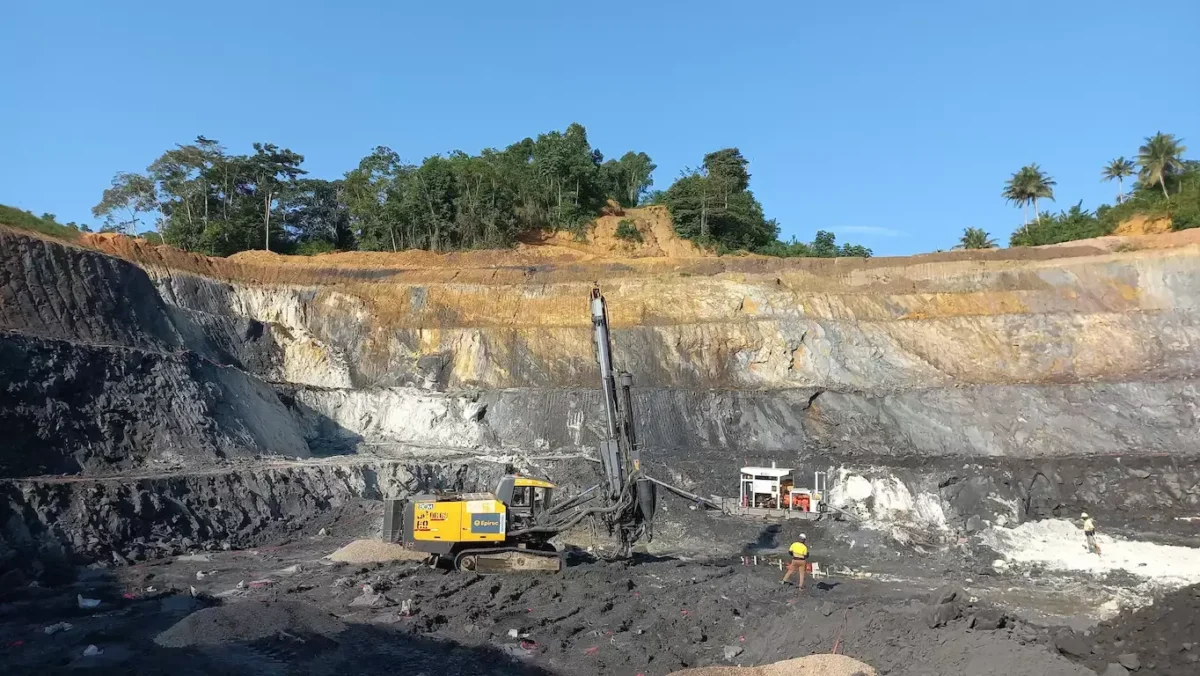
In August, the Presidency asked Adamus and its regulators to develop a 12-month turnaround plan for the Nzema gold mine. Among the instructions was a line that deserves more attention. The company was to develop a plan to settle its obligations to public agencies, financial institutions and suppliers. The government also asked the parties to explore bringing in new investors. I would put the treatment of suppliers near the top of the agenda when that money is discussed.
A small business can do everything right on a contract and still run into trouble while waiting to be paid. For a firm that borrowed to buy equipment, a late payment can mean going back to the bank to ask for more time. The consequences may still be felt years later, when that firm is deciding whether it can afford to bid for another mining contract. When we say we want Ghanaian businesses to do more in our mining industry, we have to care about what happens to them after they win the work.

Angela Attieh, known to many as Angela List, has seen the industry from both sides of that relationship. She worked in finance and administration at BCM, a mining contractor, and helped negotiate the deal that brought the Nzema mine into BCM’s portfolio. That background gives her a particular opportunity now. She knows what it takes to finance a mine, and she knows what it takes for a contractor to buy machinery, put people to work and keep a job going until the customer pays.
Any comeback also has to address the grounds on which Ghana revoked the three Adamus leases. The Lands Ministry cited unauthorised subcontracting, missing approvals and environmental harm, among other findings. Adamus disputed the findings and challenged the process. A workable turnaround would give regulators the evidence they need to assess compliance and give suppliers a straight answer about when they can expect payment. Both groups should be able to see what has been agreed and who is responsible for delivering it.
Here is one practical place to start. Verify what is owed, give each supplier a written schedule for the amounts that have been agreed, and set aside a portion of any fresh capital for those payments. Tell suppliers how disputed invoices will be handled and when they can expect a decision. A small firm should be able to plan its next payroll with more certainty than a promise to be paid when things improve.
I would like to see Adamus recover. I would also like to see a Ghanaian business come out of that recovery strong enough to buy its next truck, train its next apprentice and bid confidently for work at another mine. We already know how to count the ounces that come out of Nzema. We should pay just as much attention to the businesses Ghana can build around them.