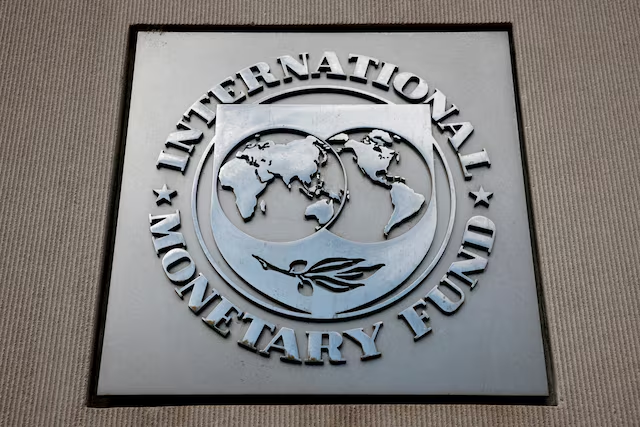
An International Monetary Fund (IMF) staff mission has concluded a week-long visit to Ghana after holding discussions with government officials on a comprehensive economic reform programme that could be supported by an IMF lending arrangement.
The mission, led by Carlo Sdralevich, was in Accra from July 6 to 13, 2022, to assess Ghana’s economic situation and discuss the broad framework of the government’s Enhanced Domestic Programme.
Get more exclusive breaking news updates on our WhatsApp channel .
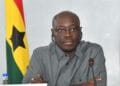
During the visit, the IMF delegation met Vice-President Dr Mahamudu Bawumia, Finance Minister Ken Ofori-Atta and Bank of Ghana Governor Dr Ernest Addison. The team also held consultations with Parliament’s Finance Committee, civil society organisations and development partners, including UNICEF and the World Bank, with discussions focusing on social spending.
In a statement issued at the end of the mission, Mr Sdralevich said Ghana was facing a difficult economic and social environment amid worsening global economic conditions.

He noted that the country’s fiscal and debt position had deteriorated significantly following the COVID-19 pandemic, while investor concerns had contributed to sovereign credit rating downgrades, capital outflows, loss of access to international capital markets and higher domestic borrowing costs.
According to the IMF, Ghana’s economic challenges had been compounded by the global economic shock arising from the war in Ukraine, which struck as the country was still recovering from the effects of the pandemic.
The Fund said these developments had contributed to slower economic growth, the accumulation of unpaid government obligations, significant depreciation of the cedi and rising inflation.
The IMF mission said initial discussions had focused on a comprehensive package of reforms aimed at restoring macroeconomic stability and placing public debt on a sustainable path.
Key policy priorities discussed included improving fiscal balances while protecting vulnerable groups, strengthening the credibility of monetary and exchange rate policies, safeguarding financial sector stability and implementing structural reforms to promote economic growth, job creation and stronger governance.
The IMF said progress had been made in assessing Ghana’s economic conditions and identifying immediate policy priorities, adding that discussions with the authorities would continue in the coming weeks on the formulation of the Enhanced Domestic Programme that could receive IMF financial support.
The Fund reaffirmed its commitment to supporting Ghana through the economic challenges in line with its policies and expressed appreciation to government officials, civil society organisations and development partners for their cooperation during the mission.