Foreign Affairs Minister Samuel Okudzeto Ablakwa has announced major commitments from European partners to preserve Ghana’s historical heritage and return cultural artefacts to the country.
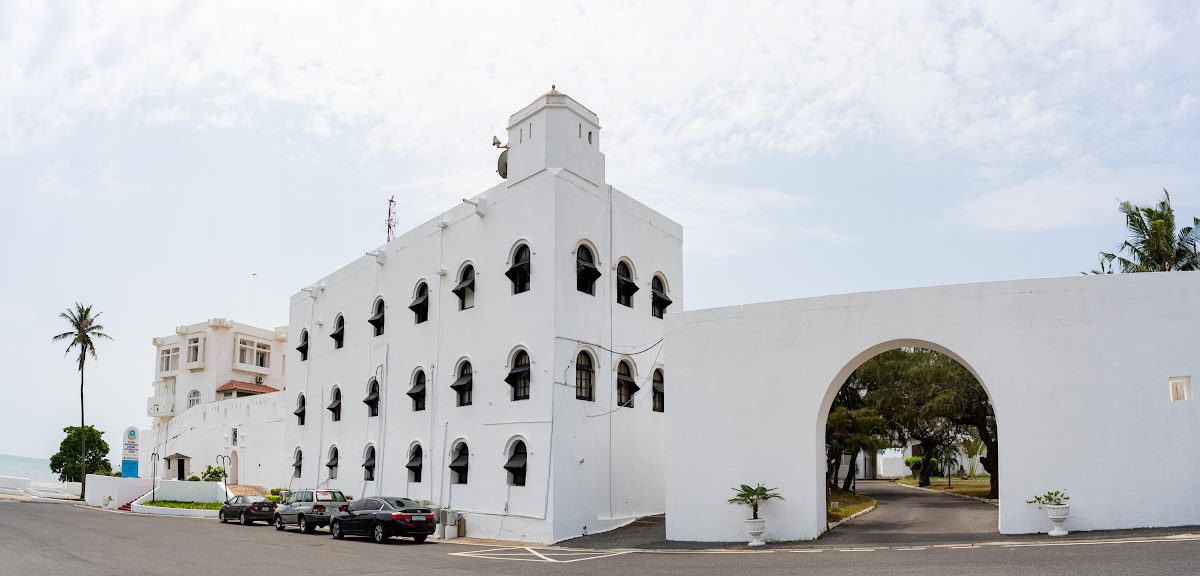
Speaking at the 2026 Accra Next Steps Conference on Reparatory Justice in Accra, Mr Ablakwa disclosed that the Danish government is collaborating with Ghana to preserve Christiansborg Castle, also known as Osu Castle, and other Danish-built fortifications linked to the transatlantic slave trade.
Get more exclusive breaking news updates on our WhatsApp channel .
According to him, the preservation effort is intended to ensure there is no denial, minimisation, or erasure of the atrocities associated with the slave trade.
Mr Ablakwa said the castle will remain preserved as enduring evidence of centuries of injustice and serve as a reminder of the global commitment to “never again.”

The announcement forms part of broader outcomes from the conference, which concluded with the adoption of the “Accra Next Steps Commitment,” a 10-page framework aimed at advancing reparatory justice through measurable actions.
The Foreign Affairs Minister also revealed that the Dutch government has catalogued approximately 2,000 artefacts for return to Ghana.
The artefacts are expected to be formally presented to President John Dramani Mahama, who serves as the African Union Champion for Reparatory Justice.
In addition, Germany has identified artefacts originating from the Kpando traditional area and has formally expressed its willingness to return them to Ghana.
Mr Ablakwa further announced that France has committed to establishing a scientific commission to locate and identify African artefacts currently being held or hidden.
A key objective of the conference was to combat historical revisionism and ensure that the history of the transatlantic slave trade and colonial exploitation is accurately preserved through monuments, museums, and educational initiatives.
The conference also marked a significant diplomatic shift, with participants agreeing to adopt a unified global blueprint for reparatory justice rather than pursuing separate agendas across Africa, the Caribbean, and North America.
Under the Accra Next Steps Commitment, governments pledged to integrate reparatory justice objectives into national development plans and educational curricula, while progress on the initiative will be reflected in future reports to the United Nations General Assembly.
The conference brought together several international leaders, including President John Dramani Mahama, Barbados Prime Minister Mia Mottley, the Speaker of the Parliament of Algeria, and foreign ministers from participating countries.