ActionAid Ghana has called for immediate and sustained investment in climate adaptation to safeguard vulnerable coastal communities from the escalating impacts of climate change. The organisation warned that without swift action, rising sea levels and tidal waves could devastate livelihoods and reverse decades of development progress.
The call was made as the world marked the International Day for Disaster Risk Reduction (IDDRR) on October 13, 2025, under the global theme “Fund Resilience, Not Disasters.”
Get more exclusive breaking news updates on our WhatsApp channel .
In a statement issued in Accra, ActionAid Ghana said the country’s 550-kilometre coastline, stretching from Ada in the Greater Accra Region to Anloga in the Volta Region, was under severe threat from erosion, flooding, and tidal surges. These hazards, it noted, are displacing families and destroying livelihoods dependent on fishing, farming, and petty trading.
“From Ada to Anloga, families now live in fear with every high tide. Homes, schools, and livelihoods are being washed away, and the poorest communities are paying the highest price,” the statement read.

ActionAid Ghana warned that without scaling up investment in climate adaptation, existing inequalities could worsen, erasing gains made in poverty reduction, gender equality, and economic empowerment.
The organisation is leading efforts to build resilience through a regional initiative titled “Improving Resilience of Coastal Communities in Côte d’Ivoire and Ghana,” funded by the Adaptation Fund and coordinated by UN-Habitat. The project is being implemented in partnership with the University of Twente, Habitat for Humanity International, and the Abidjan Convention, with active involvement from the governments of Ghana and Côte d’Ivoire.
Under the initiative, ActionAid Ghana is focusing on strengthening the adaptive capacity of vulnerable coastal populations through early warning systems, nature-based solutions, and adaptive livelihoods.
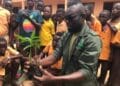
It is establishing community-based early warning systems to ensure timely and reliable information reaches remote households, enabling them to take preventive action before disasters occur. Additionally, the organisation is restoring mangroves, wetlands, and coastal vegetation to act as natural barriers against flooding and erosion, while promoting biodiversity and climate regulation.
ActionAid Ghana also supports communities, particularly women and youth, to adopt climate-resilient farming and alternative income-generating activities. These interventions, it said, aim to break the poverty cycle that worsens disaster impacts and to build stronger local economies capable of withstanding environmental shocks.
While acknowledging Ghana’s progress in developing policy frameworks such as the National Adaptation Plan (NAP) and the Nationally Determined Contributions (NDCs), the NGO said implementation had been slow and financing inadequate. It called for increased national funding for locally led adaptation efforts, stronger coordination among ministries, and the integration of climate resilience into district development plans and budgets.
The organisation further urged transparency in the management of climate funds to ensure that the most affected communities receive direct benefits. “What Ghana’s coastal communities need now is not promises, but action, sustained investment, inclusive planning, and protection for those on the frontlines of the climate crisis,” the statement emphasised.
ActionAid Ghana reiterated that building long-term resilience required continuous public education, particularly targeting women and young people. Through schools, community groups, and youth networks, it is nurturing climate-conscious citizens who can hold leaders accountable and advocate for sustainable environmental policies.
The organisation concluded by calling on government, the private sector, and international partners to collaborate to “fund resilience, not disasters,” and secure the future of Ghana’s coastal communities.