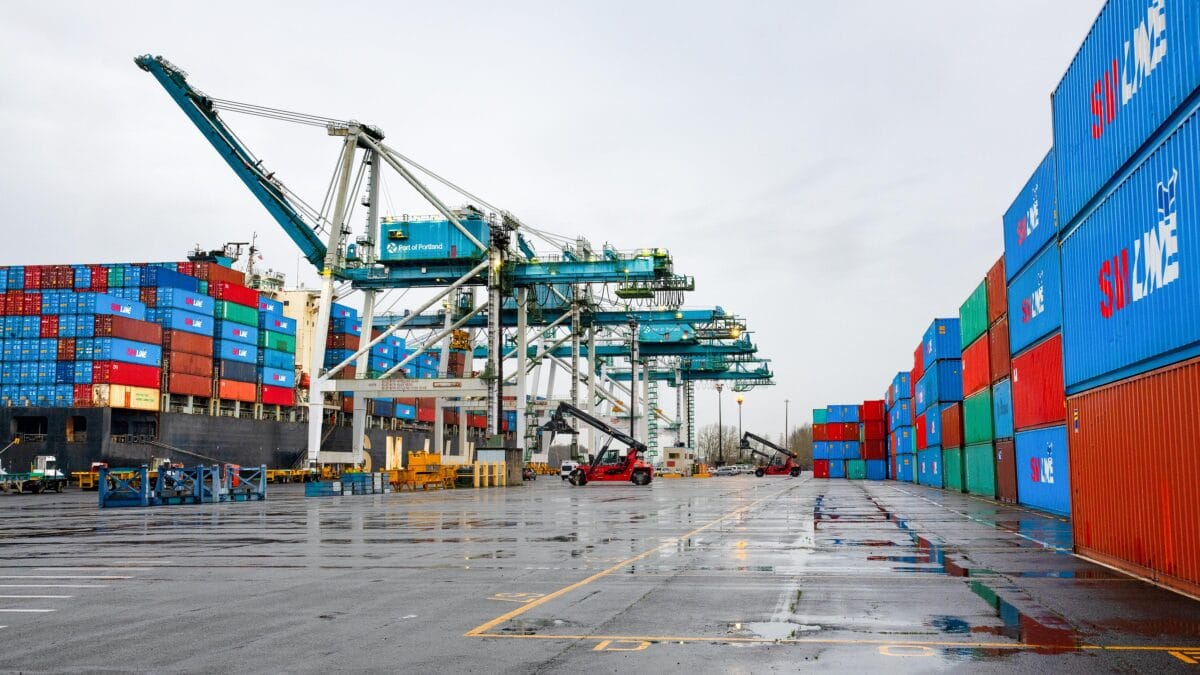
The trade policies of former President Donald Trump, particularly his aggressive tariff strategy, have drawn widespread criticism from economists and trade experts.
Many argue that Trump’s approach to imposing tariffs on global partners was misguided, ultimately harming American consumers and businesses rather than protecting domestic industries.
Get more exclusive breaking news updates on our WhatsApp channel .
Tariffs, essentially taxes on imports, inherently inhibit free trade. While Trump sought to leverage them to extract concessions from other countries, the reality is that America’s productivity and economic strength naturally attract investment without coercion.
In fact, the United States remains a global safe haven for investors, including those from countries with restrictive financial systems, such as China. Forcing trade partners through tariffs risks disrupting these organic economic flows.

History and economic theory warn against such policies. Nineteenth-century French economist Frederic Bastiat famously noted that when goods and people cannot cross borders freely due to barriers, it is often soldiers who eventually do.
Trump’s tariff war, though intended as an economic strategy, mirrored this cautionary tale: restricting trade ultimately creates losses for ordinary citizens rather than geopolitical gains.
Looking ahead, the Trump-aligned economic outlook may hinge on monetary policy. Analysts suggest that the new Federal Reserve Chairman could deliver lower interest rates, strengthening the U.S. dollar and influencing global commodities such as gold.
Some forecasts predict gold prices could surge to around USD 5,000 per ounce by mid-2026, reflecting investor reactions to broader economic pressures.
In the end, the lesson of the tariff war is clear: protectionist policies rarely benefit citizens. True economic strength comes from productivity, innovation, and open markets,not from imposing punitive taxes on international trade.