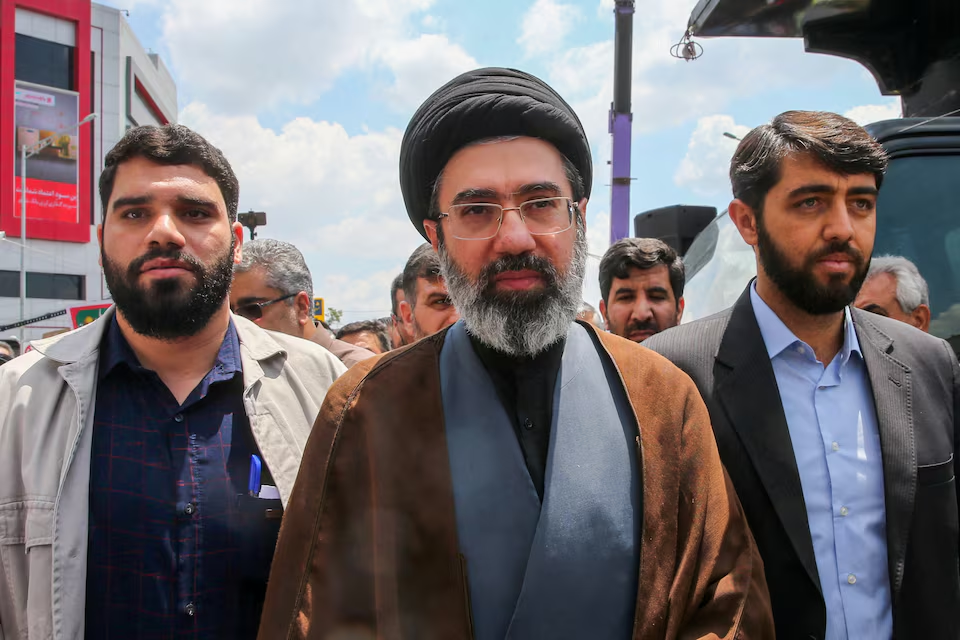
Iran has entered a period of national mourning lasting 40 days following the confirmed death of Supreme Leader Ayatollah Ali Khamenei, state sources report.
Iranian state media and official statements say Khamenei, who led the country since 1989, has been declared dead after a series of joint military strikes by the United States and Israel. The government has also announced a seven‑day public holiday to mark the immediate aftermath of his passing.
Get more exclusive breaking news updates on our WhatsApp channel .
The 40‑day mourning period aligns with Shia Islamic tradition, in which the “Arba’een”,the fortieth day after a leader’s death,is a prominent spiritual milestone for remembrance and prayer. Flags are being flown at half‑mast, and formal memorial services are planned across Iran.
Officials and clerics are describing Khamenei’s death in terms of “martyrdom” and historical significance, portraying him as a resolute guide of the Islamic Republic who stood against what Tehran describes as Western “arrogance.”

Government and military voices have also vowed retaliatory measures against those they hold responsible for his death.
Thousands have taken to the streets in various Iranian cities to mourn, participating in rituals, prayers and public gatherings. At the same time, demonstrations and heightened security measures suggest a complex national mood amidst regional tensions and ongoing military activity.
The announcement of 40 days of mourning signals both a solemn period of national reflection and a critical transitional moment for Iran’s political leadership, with questions now focusing on succession and stability within the country’s political structure