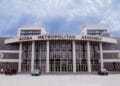
Mr Evariste Sindayigaya, Sub-Regional Director for West and Central Africa at Plan International, has called on African governments to significantly increase investments in education to ensure individual well-being and build inclusive, resilient societies.
Speaking at the opening of the ADEA Triennale 2025 Conference in Accra, he noted that allocating 10–20% of national budgets and 4–6% of GDP to education could yield transformative benefits for the continent’s growing youth population.
Get more exclusive breaking news updates on our WhatsApp channel .
He stressed that such investment would equip children, especially girls, with the skills, knowledge, and confidence needed for work, leadership, and survival in an increasingly competitive world.
Empowering girls and strengthening educational systems
Mr Sindayigaya said Plan International’s mission focuses on advancing children’s rights and promoting equality for girls by ensuring they can “lead, decide and thrive” in safe and inclusive learning environments. The organisation works with partners to empower girls to participate in community and national decision-making structures.

He highlighted persistent challenges in Africa’s education landscape, including poor coordination among stakeholders and duplication of resources, adding that the conference provides a platform to align strategies and improve resource allocation for maximum impact.
More than one million out-of-school children in Ghana
Mr Constant Tchona, Country Director of Plan International Ghana, said the organisation has been a major partner in the Ministry of Education’s Ghana Accountability for Learning Outcomes Project (GALOP), which seeks to improve learning and return children, especially those in deprived communities, to school.
Despite progress, he said Ghana still has over one million out-of-school children.
“We are transitioning many back into mainstream education, but the numbers we are reaching are nowhere near one million,” he noted, citing constrained funding.
He called for stronger partnerships with the private sector, civil society, and global donors to scale impact, urging all stakeholders to view education as a strategic national investment, not a charitable cause.
Mr Tchona stressed that investing in education is critical to global security and sustainable development, adding that more than 100 million children in Sub-Saharan Africa remain out of school, with girls disproportionately affected.
He urged governments and development partners to adopt more gender-responsive, inclusive approaches to ensure equitable access to quality education for all African children.