A partnership between the Department of Children under the Ministry of Gender, Children and Social Protection and Royal Dutch Visio is strengthening early detection and care for visually impaired children in the North Tongu District.
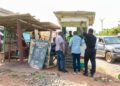
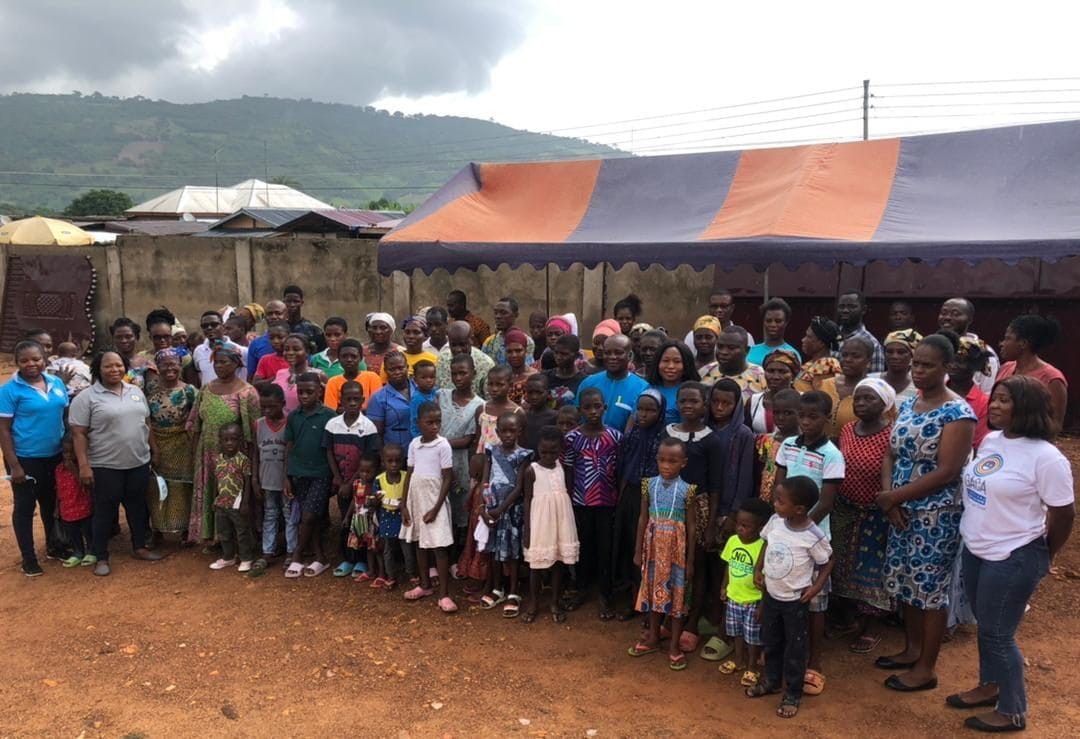
Through a community sensitisation programme and free eye-screening exercise held at Mafi Dedukorpe, families received much-needed support as part of the Holistic Development Programme for Visually Impaired Children (HODVIC).
Get more exclusive breaking news updates on our WhatsApp channel .
The national initiative, now in its fifth year, focuses on identifying children aged 0–15 with visual impairment, assessing their needs, and linking them to medical care and continuous family support.
Speaking on behalf of the Volta Regional Director of the Department of Children, Madam Nancy Anyri reiterated Ghana’s commitment to child rights, noting the country’s historic leadership in ratifying the UN Convention on the Rights of the Child.

She stressed that visually impaired children must have equal access to education, healthcare and social protection.
Madam Anyri explained that the programme aims to educate parents and communities on the causes and management of visual impairment while forming parent support groups to ensure sustained guidance and empowerment.
“These children deserve full protection and opportunities to grow into productive citizens,” she emphasised.
North Tongu District Social Welfare Officer, Mr Albert Henyo, highlighted that limited sight often causes developmental delays, making early intervention essential.
He noted that many parents lack the knowledge to properly support visually impaired children.
“Screening helps us determine the degree of impairment and make timely medical referrals.
The Battor Catholic Hospital eye team ensures that specialised cases receive prompt attention,” he said.
He urged families not to hide children due to fear of stigma, stressing that community acceptance and early identification significantly improve outcomes.
Ms Jennifer Akorfa Sackey from the Ministry of Gender said parent support groups under HODVIC also receive psychosocial counselling and livelihood training, helping families overcome economic and emotional challenges.
“Visual impairment is not spiritual. With proper training and support, these children can live independently and thrive,” she added.
The programme is supported by Visio International, Presbyterian Health Services and the Department of Children, and continues to expand across communities nationwide.