
Football fans across Cameroon, Nigeria and the wider diaspora say the absence of Victor Osimhen, Bryan Mbeumo and other African stars from the 2026 FIFA World Cup will leave a major void in the tournament, despite its expansion from 32 to 48 nations.
Many Nigerian supporters describe their country’s failure to qualify as a national setback, citing lost commercial opportunities tied to television rights, sponsorships and the guaranteed participation fee of at least $9 million.
Get more exclusive breaking news updates on our WhatsApp channel .
For Cameroon, fans have expressed similar disappointment, noting the absence of André Onana’s leadership, Bryan Mbeumo’s attacking creativity and Vincent Aboubakar, whose iconic 2022 goal against Brazil still resonates globally.
Observers say the CAF qualification format remains unforgiving, eliminating teams with strong historical credentials.

With Nigeria and Cameroon boasting a combined 14 World Cup appearances, including Cameroon’s landmark 1990 quarterfinal run and Nigeria’s repeated Round of 16 successes, many believe Africa has lost two of its most powerful football ambassadors.
The impact extends to global broadcasters as well. The 2026 tournament, set to feature 104 matches with coverage secured by Fox, NBCUniversal and Bell Media, is expected to deliver unprecedented visibility.
However, analysts warn that fewer marquee African stars could weaken advertising appeal in key African markets and reduce the continent’s viewership pull.
Looking ahead, analysts say the failures of both giants offer lessons to other African teams, including Ghana, Egypt, Morocco and Senegal. They urge stronger investment in youth development, deeper squad building and vigilance against complacency during qualifiers.
Significant investment has recently flowed into African football, with FIFA and CAF directing more than $1 billion into infrastructure projects since 2016.
The FIFA Forward Programme alone is expected to reach $1.28 billion by 2026, supporting improved stadiums, training facilities and academies aimed at strengthening qualification prospects.
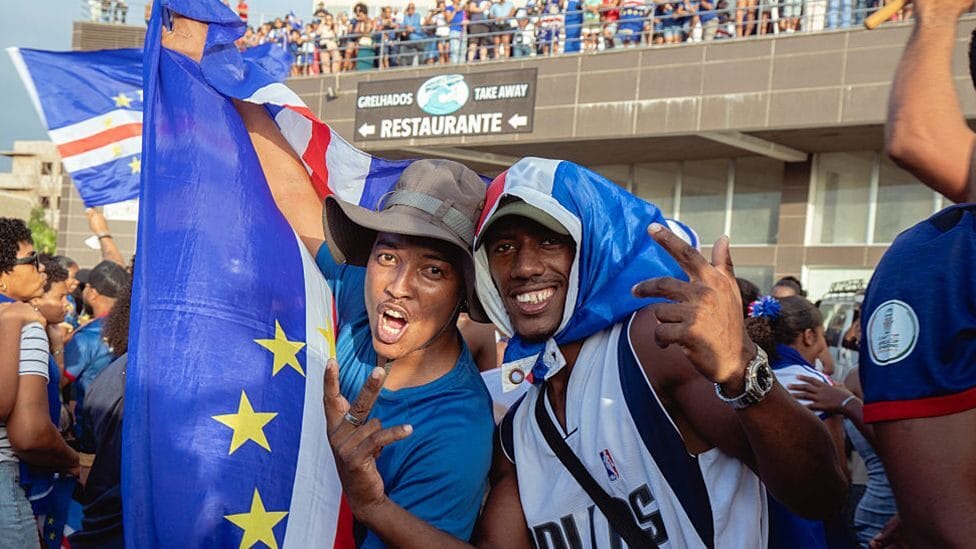
Even so, 2026 brings its own inspiring stories. Cabo Verde, with a population of just over 500,000, sealed a historic first-ever World Cup qualification, finishing above Cameroon.
Haiti also returns to the global stage for the first time since 1974, a breakthrough viewed across the Caribbean as a symbol of resilience and cultural pride.
For global fans, the absence of Nigeria and Cameroon represents a loss of talent and heritage.
Yet the rise of Cabo Verde and Haiti reinforces football’s enduring unpredictability and underscores the need for African nations to keep investing, developing and staying competitive in a landscape where no opponent can be underestimated.