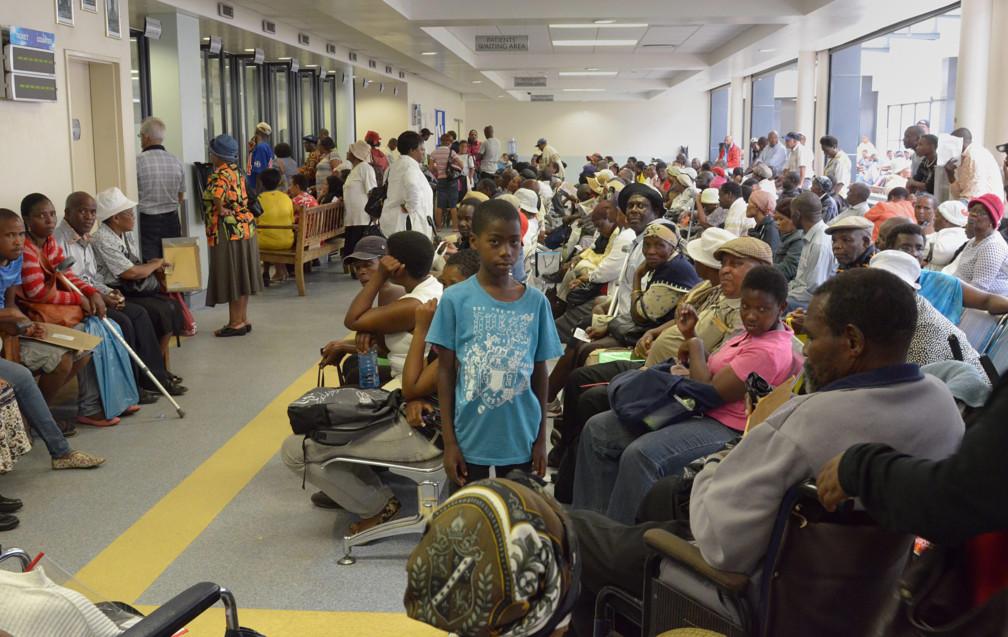
Healthcare delivery in Ghana continues to face mounting strain as the persistent challenge known as “no bed syndrome” tightens its grip on major referral facilities.
At the center of this growing concern is Komfo Anokye Teaching Hospital (KATH), where increasing patient inflow is stretching already limited capacity to its limits.
Get more exclusive breaking news updates on our WhatsApp channel .
Medical staff at KATH describe the situation as overwhelming. Wards are filled beyond capacity, emergency units are congested, and healthcare workers are forced to make difficult decisions daily.
Patients in critical condition are sometimes left waiting for hours,or redirected to other facilities,simply because there are no available beds.

The “no bed syndrome,” a term widely used in Ghana, reflects deeper systemic issues within the healthcare sector. These include inadequate infrastructure, limited investment in expanding hospital capacity, and an uneven distribution of medical facilities across the country.
While KATH serves as a major referral center for the middle and northern parts of Ghana, its resources have not kept pace with the growing population and rising healthcare demands.
Healthcare professionals warn that the consequences are severe. Delays in treatment can worsen patient outcomes, increase mortality rates, and erode public confidence in the system.
For frontline workers, the pressure is not just physical but emotional, as they struggle to provide quality care under constrained conditions.
Patients and their families are equally affected. Many report frustration, anxiety, and helplessness when faced with the reality of being turned away or asked to seek care elsewhere in urgent situations. In some cases, the search for an available bed becomes a race against time.
Authorities have acknowledged the problem and have, over the years, introduced measures such as emergency response systems and hospital expansion projects. However, critics argue that these interventions have been slow and insufficient relative to the scale of the crisis.
Addressing the issue will require more than short-term fixes. Experts emphasize the need for long-term investment in healthcare infrastructure, improved resource allocation, and stronger coordination between facilities
Expanding district-level hospitals and strengthening primary healthcare systems could also reduce the burden on referral centers like KATH.
Until such measures are fully implemented, the reality remains unchanged: hospitals are under pressure, healthcare workers are stretched thin, and patients continue to face uncertainty in accessing timely care.
The persistence of “no bed syndrome” is not just a hospital problem,it is a national challenge that demands urgent and sustained action.