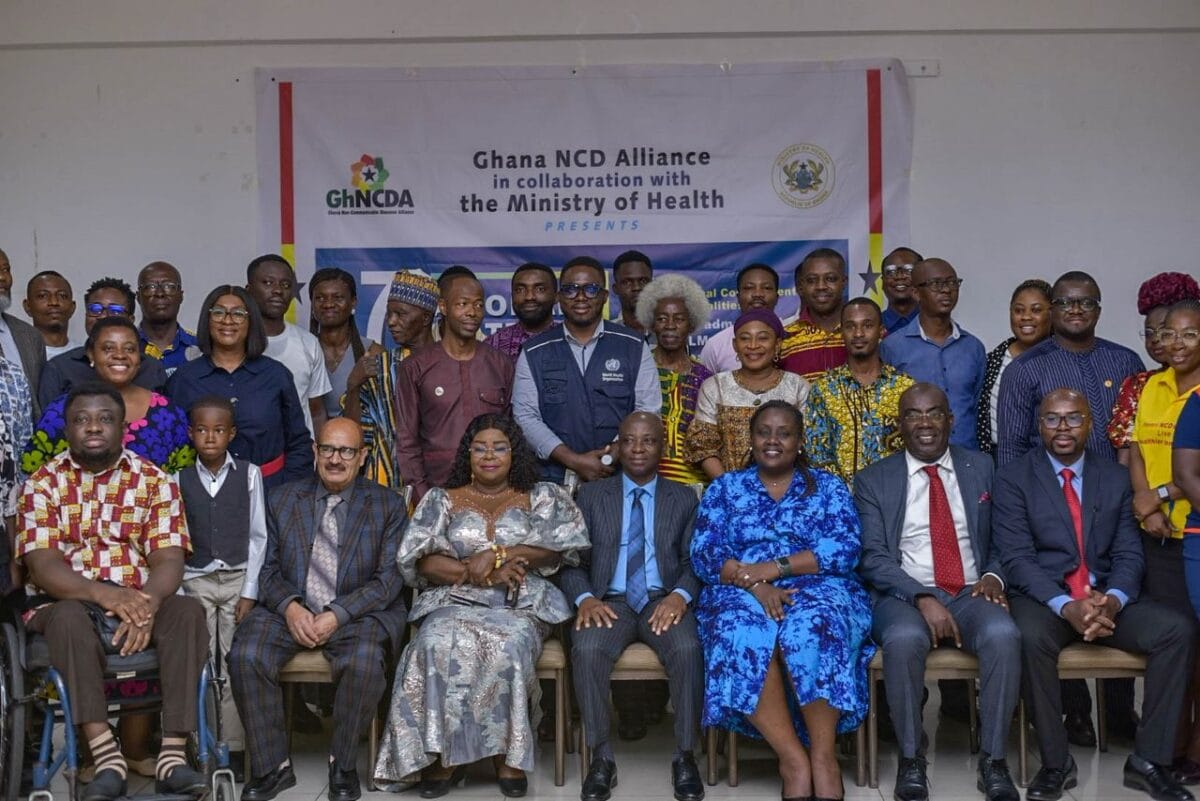
Leaders in the fight against noncommunicable diseases (NCDs) and mental health have been urged to transform their pledges into tangible action at the upcoming 4th United Nations High-Level Meeting, scheduled for September 25, 2025, in New York.
The call was made in a joint statement issued by the Vision for Accelerated Sustainable Development, Ghana and the NCD Alliance, Ghana, alongside civil society organisations. They insisted the meeting must be remembered as the moment when governments drew a clear line in the sand, prioritising public health over commercial interests. “Let this meeting be a moment when commitments turned into action, when plans became reality, and when promises gave way to progress,” the statement declared.
Get more exclusive breaking news updates on our WhatsApp channel .
The organisations stressed that NCDs and mental health conditions are now among the gravest threats to human development, accounting for over 74 per cent of global deaths. Beyond statistics, they said the crisis represents shattered families, communities deprived of their most productive members, and nations burdened by diseases that are preventable. They cautioned against industries profiting from harmful products such as tobacco, alcohol, ultra-processed foods, and sugar-sweetened beverages, calling them “drivers of disease, suffering, and death.”
The statement urged world leaders to fully implement the WHO Global Action Plan on NCDs 2013–2030, stressing that what is missing is not strategy but political will. It called for bold leadership backed by action, resources, and accountability, warning that every delay results in preventable deaths and escalating costs to economies and health systems.

Financing was highlighted as central to progress, with the groups advocating for increased domestic revenue mobilisation through health taxes. They argued that taxing harmful products is both a smart economic policy and a moral imperative, as it reduces consumption while generating revenue to strengthen health systems, expand mental health services, and improve access to affordable medicines and technologies.
Access to care remains a critical challenge, the statement noted, with many people living with NCDs and mental health conditions denied essential medicines and treatment due to cost or unavailability. Governments were urged to scale up primary health care, ensure a steady supply of medicines, and train health workers to provide compassionate and comprehensive care.
The civil society groups stressed that those affected must be placed at the centre of decision-making, with their dignity, inclusion, and opportunity safeguarded. They warned that history would judge leaders on whether they put people before profits, health before industry influence, and long-term well-being before political expediency.
“Governments must walk into the UN High-Level Meeting with clarity of purpose: commit to lead the charge on NCDs and mental health, accelerate adoption of proven interventions, raise domestic financing through health taxes, and protect policy from industry interference,” the statement concluded, adding that “anything less will be an abdication of responsibility to those who suffer today and generations yet to come.”