It is time to admit the Republic has not deployed real force against illegal mining. Ghana has deployed the National Anti-Illegal Mining Operations Secretariat (NAIMOS), a committee in boots. A courageous effort, yes, but only a pinch of salt compared to the full power of the GAF. And the nation is paying for this timid half-measure.
When you deploy a taskforce instead of an army, criminals do not retreat. They test your strength. And when they tested NAIMOS, the whole country saw what happens when the state sends a warning instead of a wall.
Get more exclusive breaking news updates on our WhatsApp channel .
The attack on the NAIMOS team at Ahafo Hwidiem was not an isolated skirmish. It was a message. Galamsey cartels felt bold enough to ambush a state operation because they know what the Republic refuses to admit. NAIMOS is not the GAF. It does not command fear or terrain. It cannot do what the 66 Artillery Regiment, the 64 Infantry Regiment, the Special Forces, or the Engineer Corps can do. And the criminals knew exactly who was coming and who was not.
The attack carried fingerprints the political class prays the public never sees. It exposed the truth many whisper but fear to write. Illegal mining is not protected by poverty. It is protected by politicians. And on the morning of Saturday, 1 November 2025, their power stood naked before the law.

On that day, the NAIMOS Director of Operations led ten soldiers on a reconnaissance mission in the Ahafo Region. Their mandate was simple. Identify a site for permanent deployment. Hold the corridor. Along the Goaso to Hwidiem highway, they found an excavator chewing the roadside near Bronikrom. Illegal mining in daylight, carried out with confidence.
A few moments later, the operation shifted.
A man appeared claiming to be Defence Intelligence. Another came in a Toyota RAV4. Another in a Range Rover. Inside the vehicles were a Smith and Wesson pistol, magazines, twenty-one rounds, twelve mobile phones, eleven thousand cedis, and assorted gadgets. This was organised crime backed by money, weapons, and influence.
Then came the moment that revealed everything.
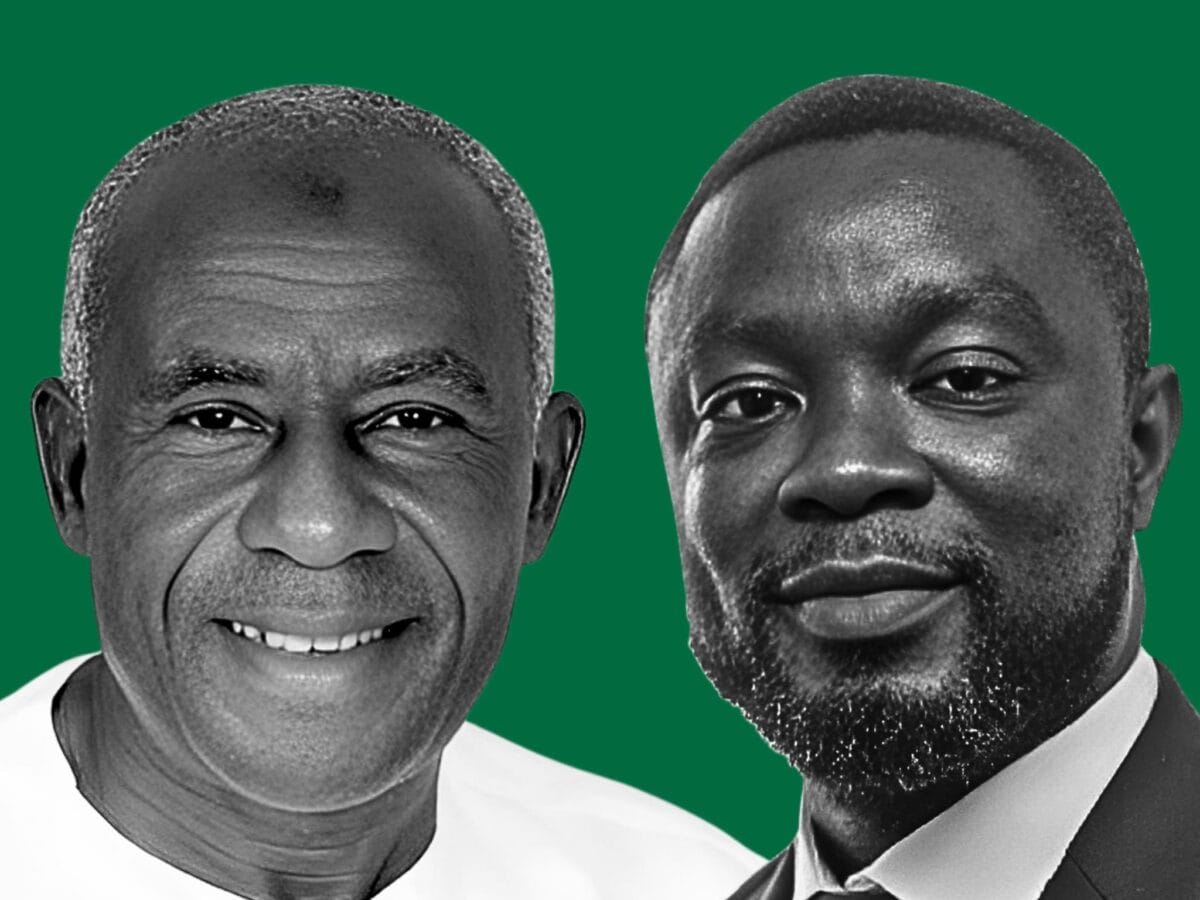
Ebenezer Kwaku Addo, MP for Asutifi North, stormed the scene with a group of thugs. He declared that he had been sent by Collins Dauda, MP for Asutifi South. He demanded the immediate release of the suspects and ordered the soldiers to remove the handcuffs so the community would not see their kingpins arrested.
The NAIMOS Director refused. That refusal triggered the explosion.
The MP’s men seized the handcuff keys from a soldier. They freed the suspects. They chased the NAIMOS convoy toward the Hwidiem Police Station. And when the team reached safety, a mob of about six hundred people surrounded the station. A manufactured army. A constituency militia. They threatened the soldiers, demanded the release of the suspects and their vehicles, vandalised the Director’s Hilux, and threatened to burn the station.
This was not a clash. This was an insurrection against the Republic. It happened because the state deployed a taskforce instead of the Ghana Armed Forces. No criminal gang in this country would dare confront the Airborne Force. None would surround a police station if the Armoured Brigade had taken the suspects. None would seize handcuff keys from Special Forces or vandalise a military commander’s vehicle and walk home untouched.
When the state deploys partial force, criminals deploy full boldness. When MPs can assemble mobs to shield illegal miners, the Republic is not just losing control of its environment. It is losing control of its sovereignty.
The NAIMOS team survived only because police reinforcements intervened. But how long can a taskforce survive when the enemy arrives with elected authority.
This is why the Ghana Armed Forces must be redeployed to the nation’s resource corridors. NAIMOS can coordinate and gather intelligence, but it cannot dominate terrain. Only the GAF can do that.
The attack at Ahafo Hwidiem was not about galamsey. It was about power. It was about who believes they own the land. It was about who thinks the Republic fears them.
If Ghana cannot confront political actors who undermine national security, then Ghana is not serious about saving its rivers. If we lack the will to confront the sponsors of galamsey, then we should stop pretending we want to end it.
What has been done so far? CID invitations, one MP in court, another under investigation, a few galamseyers scattered, and a round of loud condemnations may look busy, but is it enough? A political cartel will not fear courtesy or paperwork. If this is all Ghana can offer, then the Republic has already surrendered its rivers to the men who poison them.