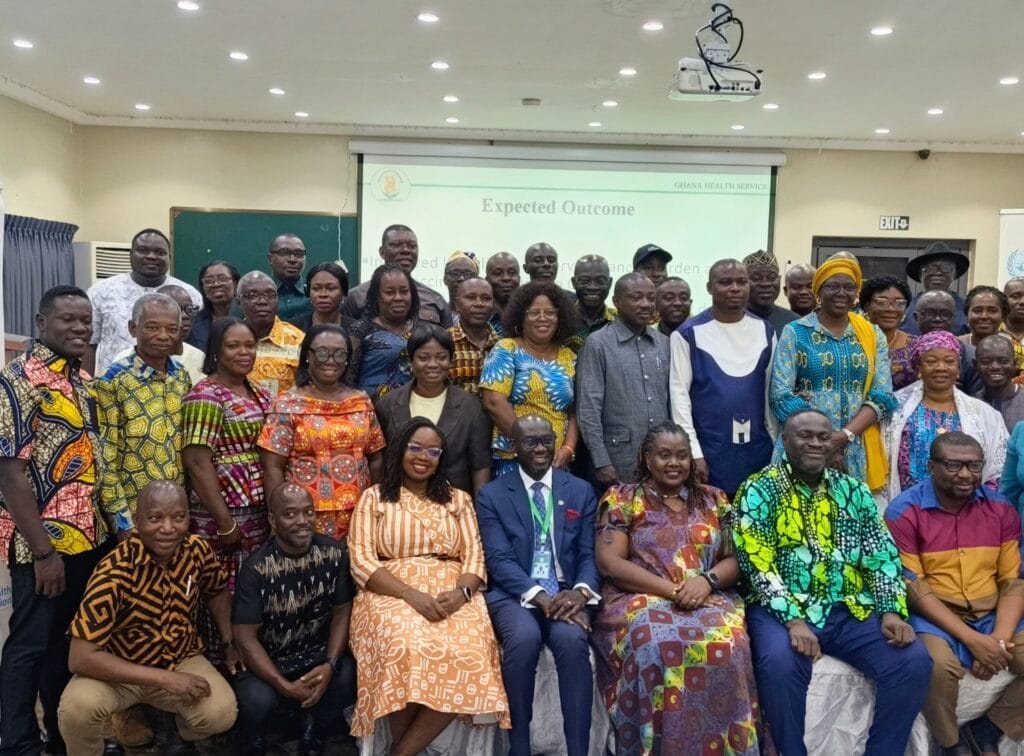
A national campaign to vaccinate adolescents against the Human Papilloma Virus (HPV) has been launched in Mampong with a regional forum designed to raise awareness on menstrual hygiene and HPV prevention among out-of-school youth.
The forum, organised by Children and Youth in Broadcasting, the Curious Minds, in collaboration with UNICEF Ghana and the Ghana Health Service (GHS), focused on reaching adolescents who often lack access to essential health information. Traditional leaders, religious figures, parents, and young people participated in discussions on barriers that limit adolescents’ access to health services.
Get more exclusive breaking news updates on our WhatsApp channel .
Mrs Cynthia Anna Amoo, Asante Mampong Municipal Director of the GHS, identified stigma, cultural misconceptions, weak parental involvement, and poor community engagement as persistent challenges. According to her, these factors leave many young girls unprepared for menstruation and unaware of proper hygiene and sanitary practices. She urged parents to actively educate their daughters on menstrual health, including the correct use and disposal of sanitary materials.
A major highlight of the forum was the growing risk of HPV. Mrs Amoo warned that the virus, which spreads mainly through sexual intercourse, is rapidly affecting adolescent girls and poses the danger of leading to cervical cancer if left untreated. She stressed that cervical cancer remains a major public health concern in Ghana, with nearly 3,000 new cases and close to 2,000 deaths annually.

To address this threat, Mrs Amoo announced a nationwide HPV vaccination programme for girls aged 9 to 14 years, scheduled for October 7 to 11, 2025. She emphasised that the vaccine is safe and highly effective, calling on parents to ensure their daughters are vaccinated. “This is a crucial step in protecting them from future health risks,” she noted.
Traditional and religious leaders at the forum pledged their support, encouraging parents to act responsibly in safeguarding their children’s health. The initiative represents a significant step in improving adolescent health outcomes in the region, equipping communities with knowledge to make informed decisions and reduce HPV spread.