Deputy Minister for Finance Thomas Nyarko Ampem has disclosed that the government has released 85 per cent of the Ministry of Food and Agriculture’s approved 2026 budget to accelerate food production, strengthen agro-industrialisation and improve food security.
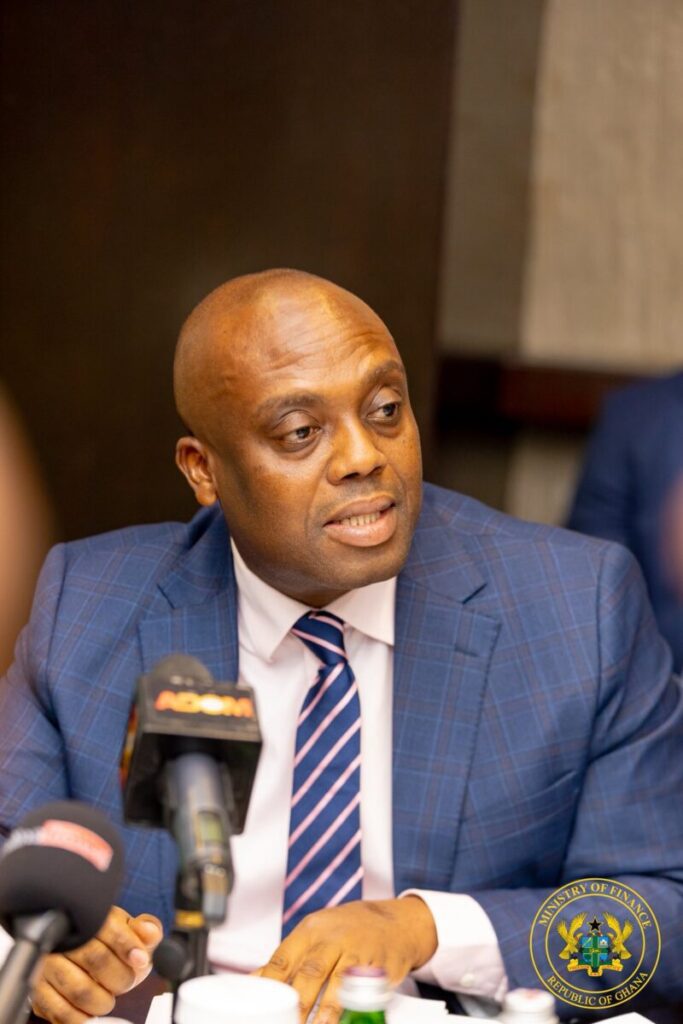
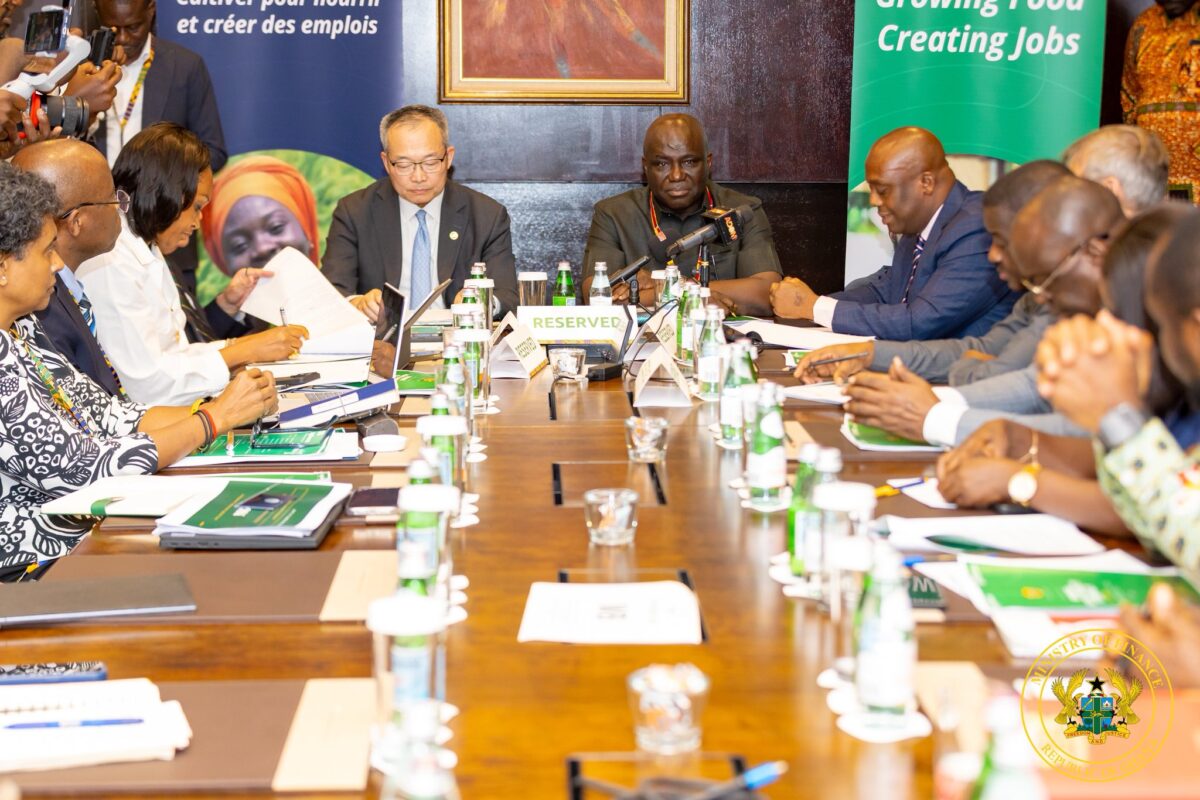
Speaking at the launch of the Ghana National Pact for Agriculture and Economic Transformation, Food Security and Employment (AGRICONNECT Compact) in Accra, Hon Nyarko Ampem said the release demonstrates the government’s commitment to transforming agriculture into a major driver of economic growth and job creation.
Get more exclusive breaking news updates on our WhatsApp channel .
“I am pleased to confirm that we have released GH¢1.677 billion, representing 85 per cent of the approved 2026 Budget for Goods and Services and CAPEX for the Ministry of Food and Agriculture,” he stated.
According to him, the funds are being invested in interventions aimed at improving productivity, mechanisation, irrigation and agricultural value chains.

He said GH¢581.4 million has been allocated for the establishment of 50 Farmer Service Centres to support mechanisation and improve productivity, while GH¢110 million will be invested in irrigation infrastructure projects.
Additionally, GH¢515.3 million has been earmarked for the supply of fertilisers and certified seeds to farmers, GH¢244.9 million for the Poultry Farm-to-Table Project, popularly known as Nkoko Nkitinkiti, and GH¢200 million for the National Food Buffer Stock Company to improve produce distribution and trading.
Hon. Nyarko Ampem stressed that agriculture remains central to Ghana’s economic transformation agenda, noting that the country cannot continue spending billions of dollars annually importing food products that can be produced locally.
He said the government is determined to move agriculture “from subsistence to scale, from production to productivity, and from farming to agribusiness.”
The Deputy Minister explained that the interventions form part of a broader fiscal strategy to reposition agriculture as a commercially viable sector capable of creating employment opportunities for the youth.
According to him, the government is aligning budgetary releases with priority value-chain projects to ensure measurable output, reduced import dependence and improved rural incomes.
“We are no longer interested in budget approvals that sit on paper. The focus now is execution, impact and accountability. Agriculture must pay, and it must pay sustainably for our farmers and for the economy,” he said.
Hon. Nyarko Ampem further disclosed that the Ministry of Finance is working with the Ministry of Food and Agriculture to strengthen monitoring and evaluation systems and ensure adherence to implementation timelines and performance targets.
He added that a digital tracking system is being introduced to monitor the disbursement and utilisation of agricultural funds, particularly at the district level, to improve transparency and reduce leakages.
The event brought together policymakers, development partners, agribusiness leaders and farmer-based organisations to discuss strategies for advancing food security and economic transformation.