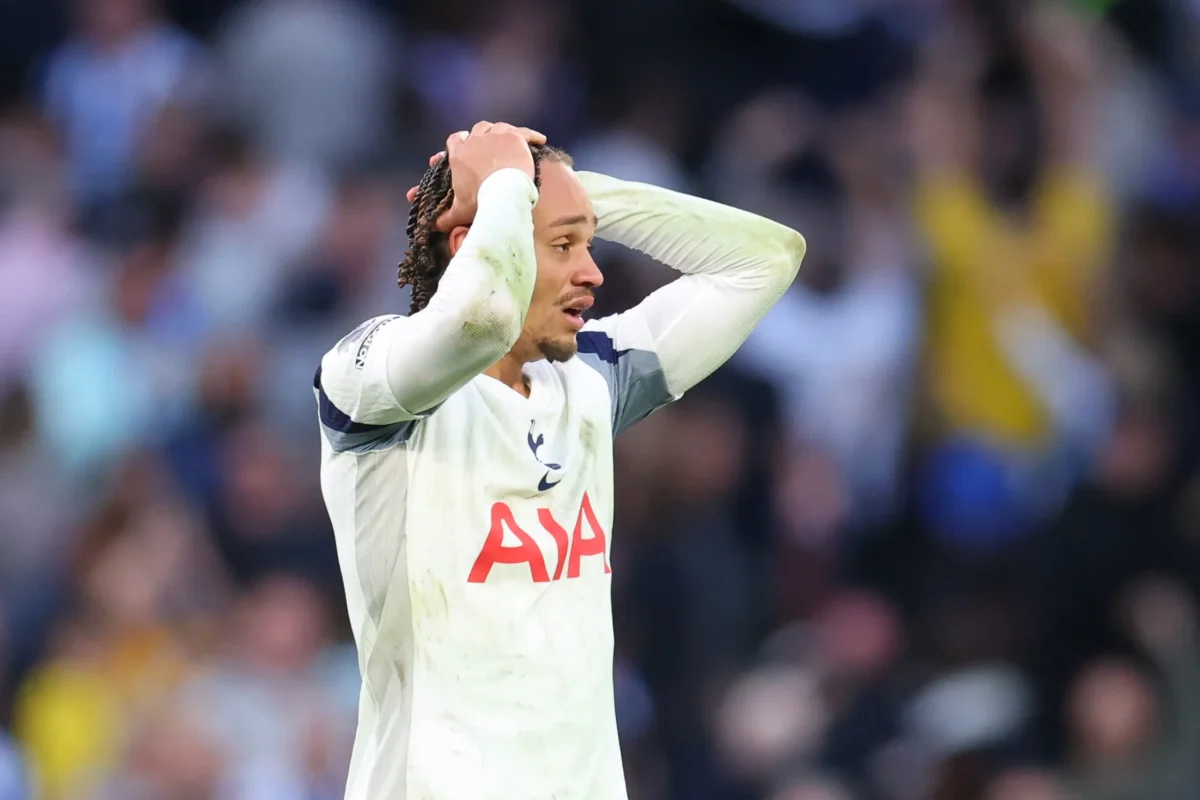
Yes, what happened to Tottenham? Tottenham Hotspur is facing one of the most severe crises in its modern history, sitting just one point above the Premier League relegation zone in early 2026 despite winning the UEFA Europa League less than a year earlier.
The club’s 2025 triumph, which ended a 17-year trophy drought, has been overshadowed by a dramatic domestic collapse. Tottenham finished that same season in 17th place and has continued its decline into the 2025–2026 campaign, failing to win a single league match since the start of the year.
Get more exclusive breaking news updates on our WhatsApp channel .
The downturn reflects a broader breakdown across leadership, recruitment, and on-pitch performance. Since 2019, the club has spent approximately £979 million on transfers, many of which have failed to deliver results. The departures of key figures, including Harry Kane and Son Heung-min, have further weakened the squad’s leadership and attacking output.
On the pitch, Tottenham has endured a run of 13 consecutive Premier League matches without a win. The team holds the worst home record in the league, with just two victories at their stadium all season. Statistical indicators mirror the decline, with attacking output halved compared to the previous year and defensive metrics worsening significantly. The club currently ranks 15th in expected points.

The crisis has been compounded by instability at the executive level. Daniel Levy’s departure in September 2025 ended a 25-year tenure that had provided continuity despite mixed sporting outcomes. His exit created a leadership vacuum, contributing to inconsistent decision-making and strategic drift.
Then managerial turnover has further destabilised the club. Following the dismissal of Mauricio Pochettino in 2019, successive appointments failed to establish a lasting identity. Jose Mourinho, Nuno Espirito Santo, and Antonio Conte all departed under difficult circumstances. Ange Postecoglou, despite delivering European success, was dismissed after a poor league finish.
The 2025–2026 season has seen continued instability under Thomas Frank and Igor Tudor. Frank’s tenure, which lasted eight months, was marked by a defensive, risk-averse system that limited attacking output and created friction within the squad. Players reportedly lost confidence in his approach, with performances reflecting a lack of cohesion.
Tudor’s appointment has not reversed the trend. In his first 37 days, the club failed to secure a league victory. Heavy defeats, including a 3-0 loss to Nottingham Forest and a defensive collapse against Crystal Palace, have highlighted ongoing structural weaknesses. A Champions League defeat to Atletico Madrid, where Tottenham conceded three goals within 17 minutes, underscored the team’s lack of organisation.
Squad issues have deepened the crisis. The departures of Kane, Son, and Brennan Johnson removed the club’s primary sources of goals, while new signings have struggled to perform. Javi Simons has scored once in 25 appearances, and other additions have failed to make a consistent impact. Injuries to key creative players, including James Maddison and Dejan Kulusevski, have further limited attacking options, while striker Dominic Solanke has also missed significant time.
Recruitment setbacks have compounded the problem, with failed attempts to sign key targets such as Eberechi Eze and Morgan Gibbs-White.
The consequences of relegation would be significant. Financial losses from reduced broadcasting revenue, sponsorships, and matchday income could reach hundreds of millions of pounds. The club would likely be forced into a major player sell-off, with key assets departing below market value. Relegation would also undermine Tottenham’s status among the Premier League’s “Big Six” and impact the league’s global appeal.
There are still five matches remaining, and Tottenham faces a critical period that will determine its immediate future. The club’s current position reflects not just a downturn in form but a systemic failure across leadership, strategy, and execution. Avoiding relegation will require more than short-term adjustments, as the club confronts the consequences of years of structural decline.