A growing chorus of voices is calling for the immediate removal of Ghana’s top three Electoral Commission (EC) officials, following widespread condemnation of the commission’s handling of electoral processes, particularly the protracted impasse in the Ablekuma North Constituency.
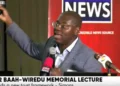
Leading the charge is lawyer and policy analyst Kofi Bentil, who has described the EC’s performance as a “catastrophic failure,” citing what he calls an inability or outright unwillingness to carry out basic electoral duties despite being fully resourced.
Get more exclusive breaking news updates on our WhatsApp channel .
“This EC is not fit for purpose. They are either unwilling to do the job or incompetent. I think they are incompetent. They have shown it over and over again,” Bentil said in a damning critique that aligns with long-standing concerns raised by civil society groups like IMANI Africa.
Bentil argued that the commission’s inconsistency, including contradictory statements made under oath in court, and a refusal to accept external audits or advice, has left its credibility in tatters. “We are dealing with a situation where the EC itself went to court and said there were three outstanding polling stations that needed security. Now they’ve changed their position entirely. That’s unacceptable,” he said.

The controversy surrounding the Ablekuma North seat, vacant since the December 2024 general elections, has become a flashpoint in the broader debate about the EC’s performance. Critics say the commission’s failure to conclude the collation process, despite initially acknowledging that only three polling stations were outstanding, raises serious concerns about competence and impartiality.
According to Bentil, this is not a matter for mild reprimand. “This is the one case where there is no room for reprimand. I will be happy if they move to remove all three. This country is more important than anybody’s tenure.”
He further accused the EC of resisting transparency. “They have refused any kind of advice from any quarter. There is no EC council to hold them accountable, and they resist audits even when they are proper.”
In a more pointed allegation, Bentil suggested the EC may be afraid of political pressure, particularly from the National Democratic Congress (NDC), and accused the Commission of favouring the ruling New Patriotic Party (NPP) by delaying or manipulating the process. “When the strong man and the weak man have a case, and the verdict is delayed, it means the strong man is losing. The rerun in Ablekuma North is designed to help the strong man.”
The dispute has also renewed calls for constitutional reform. Bentil reiterated IMANI’s position that the laws insulating the EC need a complete overhaul. “It is time to amend the constitution, review the EC’s independence, how its heads are appointed, and all relevant legislative instruments.”
The Ablekuma North case, observers argue, is a microcosm of systemic failings within Ghana’s electoral infrastructure. Despite legal clarity and public expectation, the EC has failed to complete the collation process or explain its U-turn. “If you assemble five SHS students and give them the facts, they’ll conclude that the EC is at fault,” Bentil noted.
As public confidence continues to erode, demands for accountability and structural reform are expected to intensify in the months ahead.