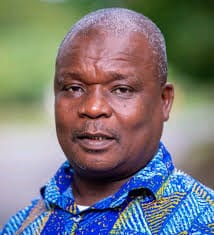
Professor Yunus Dumbe, a leading scholar of religion and human development at the Kwame Nkrumah University of Science and Technology (KNUST), has warned that political corruption in Ghana has overtaken armed robbery as the nation’s most serious security challenge.
Speaking at a three-day workshop in the Oti Region, Prof. Dumbe described corruption as a “silent robbery” that drains public resources, fuels inequality, and erodes trust faster than violent crime.
Get more exclusive breaking news updates on our WhatsApp channel .
He explained that systemic loopholes and the manipulation of religion have allowed corruption to persist unchecked, siphoning billions of cedis annually and undermining development while destabilising communities. “While violent crime grabs headlines, it is corruption that truly drives unrest in Ghana and West Africa,” he said.
The remarks were made amid a nationwide review of Ghana’s National Framework for Preventing and Countering Violent Extremism and Terrorism (NAFPCVET), where stakeholders called for stronger civic engagement and more transparent institutions to address both extremism and graft.

Prof. Dumbe urged chiefs, faith leaders, and civil-society organisations to champion accountability, stressing, “When corruption becomes more lethal than a gun, the very fabric of society unravels.”
The workshop brought together 60 local stakeholders, including representatives from government, security agencies, traditional authorities, women, youth, and minority groups. Participants highlighted the risks posed by unchecked extremism and terrorism in the country.
As the review progresses, citizens are drafting actionable recommendations aimed at tightening anti-corruption laws, improving public-sector transparency, and embedding civic education in schools, efforts intended to reverse the growing trend of corruption surpassing armed robbery in its impact on Ghanaian society.