President John Dramani Mahama has stated that Ghana’s pursuit of reparatory justice extends beyond demands for compensation and the return of cultural artefacts, stressing that the broader goal is to build a more equal and just world.
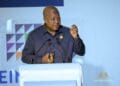
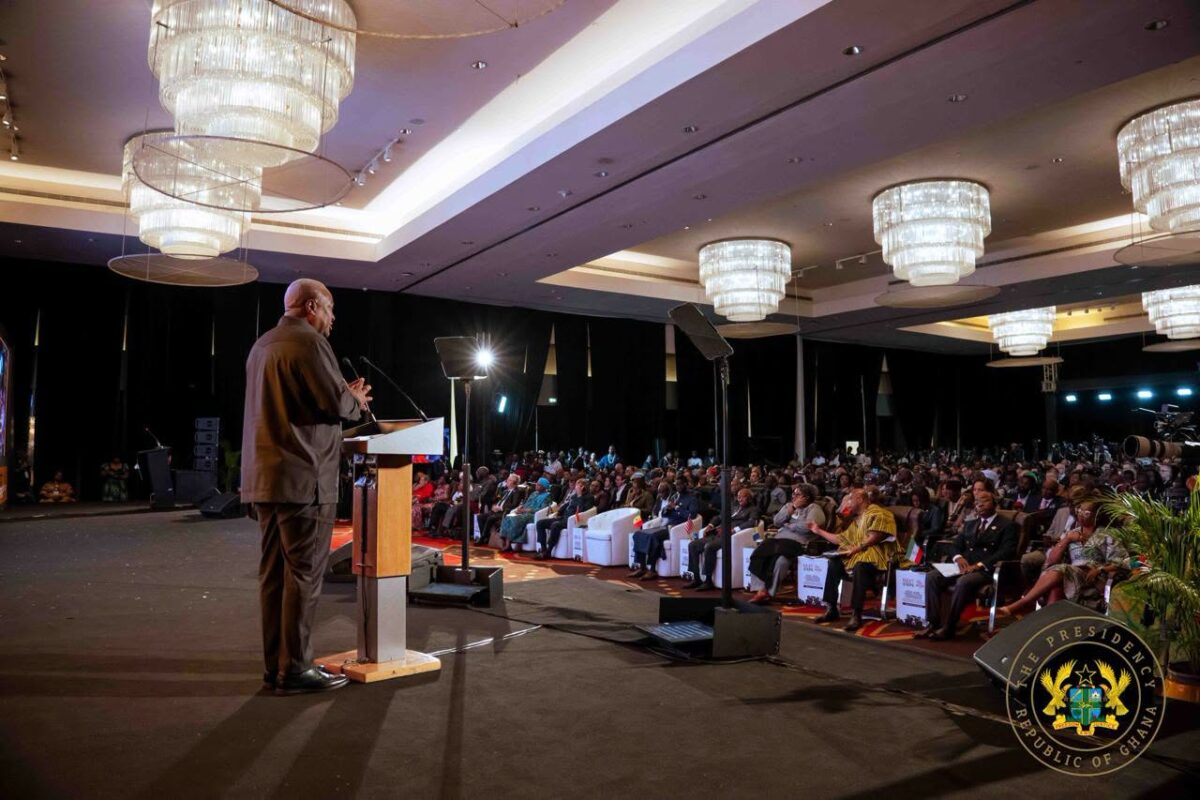
Speaking at the Consultative Conference on the UN Slavery Resolution in Accra, President Mahama said reparatory justice must focus on addressing longstanding global inequalities and creating opportunities for all people.
Get more exclusive breaking news updates on our WhatsApp channel .
“Our work therefore, goes beyond reparations and the return of artefacts. It extends to advocacy for a more equal world, one that offers opportunity to all,” he said.
The President noted that the movement for reparatory justice is rooted in the historical experiences of Africans and their descendants who suffered through the transatlantic slave trade.

He highlighted the need for stronger cooperation among African countries, international partners, and stakeholders committed to advancing historical justice.
President Mahama also emphasised the importance of presenting a unified global position on reparatory justice, bringing together Africa, the Caribbean, and the Americas under a common agenda.
According to him, the movement is entering a new phase focused on coordinated advocacy and concrete action.
The conference discussed the lasting effects of the slave trade, including the displacement of African communities, the suffering endured during the Middle Passage, and the loss of cultural identity experienced by enslaved people and their descendants.
Participants also examined pathways for restitution, the return of cultural artefacts, and efforts to create a fairer global system that addresses inequalities linked to the legacy of slavery.
President Mahama highlighted Ghana’s ongoing efforts to strengthen ties with the African diaspora through initiatives such as the Right of Abode Act and visa-free access for Africans.
He also referenced ongoing efforts to expand visa-free arrangements with Caribbean Community (CARICOM) countries to encourage greater connectivity between Africa and the diaspora.
The conference further underscored the significance of Juneteenth as a symbol of freedom and unity among people of African descent worldwide.
An outcome document adopted at the meeting commits participants to advancing reparatory justice through a unified framework, integrating its objectives into international advocacy and future discussions at the United Nations General Assembly.
The event brought together Heads of State, policymakers, traditional leaders, diplomats, and international organisations to discuss accountability, redress, and the future of the global reparatory justice movement.
President Mahama said the ultimate objective is not only to address historical wrongs but also to create a world where opportunities are available to all people regardless of their background.