
The Ghana Education Service (GES) is developing a framework to coordinate and harmonise the activities of non-governmental organisations (NGOs), civil society organisations (CSOs) and faith-based organisations operating in the country’s education sector.
The initiative is aimed at improving coordination, measuring the impact of interventions and ensuring that development partners’ activities align with national education priorities.
Get more exclusive breaking news updates on our WhatsApp channel .
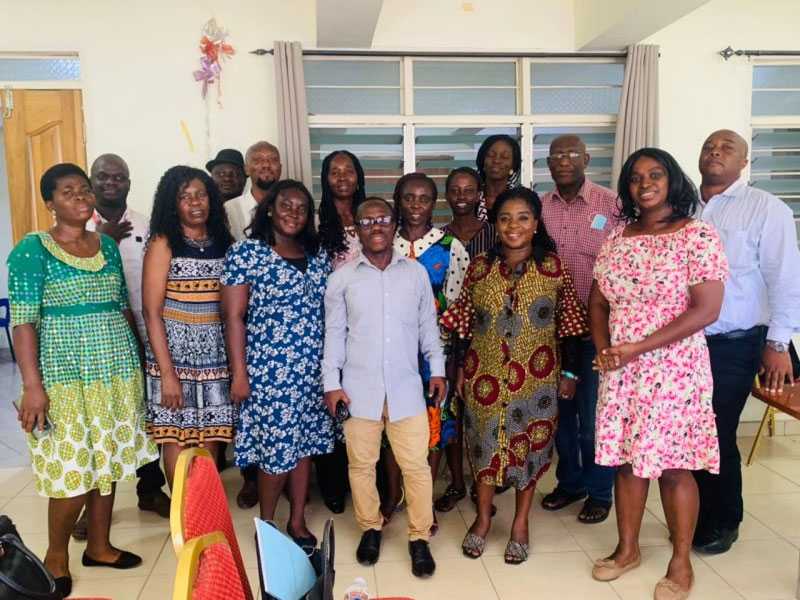
Mr Edward Opoku Manu, Human Resource Manager at the Greater Accra Regional Office of the GES, disclosed this during a sensitisation programme organised for selected NGOs and CSOs in Accra.
He explained that the framework would provide a structured mechanism for coordinating the activities of organisations working in schools while promoting greater efficiency and accountability.

The one-day engagement was organised by the Greater Accra Regional Education Directorate to discuss the proposed framework and obtain feedback from stakeholders before its implementation.
Speaking at the programme, the Greater Accra School Health and Education Programme (SHEP) Coordinator, Rev. Patrick Banafo, said approximately 700 NGOs and CSOs were operating within Ghana’s education sector, but the absence of comprehensive data had made it difficult to accurately assess their overall contribution.
He noted that the lack of reliable information also made it challenging to determine the volume of resources being invested by development partners in the sector.
According to Rev. Banafo, the proposed GES guidelines would help improve collaboration among stakeholders, reduce duplication of programmes and ensure that interventions complement government policies and educational strategies.
He added that the framework would also facilitate the creation of a comprehensive database of organisations operating in the education sector, enabling the GES to monitor their activities and evaluate their impact more effectively.
Rev. Banafo commended NGOs, CSOs, faith-based organisations and private sector partners for their continued support to education, stressing that government alone could not meet all the sector’s development needs.
He called for stronger cooperation among stakeholders to maximise the impact of interventions and improve educational outcomes across the country.