Utility service providers have submitted proposals to the Public Utilities Regulatory Commission (PURC) seeking significant tariff increases for electricity and water services as part of the 2022–2027 Multi-Year Major Tariff Review.
The Ghana Water Company Limited (GWCL) is proposing the highest increase, requesting a 334 per cent adjustment in water tariffs.
Get more exclusive breaking news updates on our WhatsApp channel .
In the electricity sector, the Electricity Company of Ghana (ECG) is seeking a 148 per cent increase, while the Northern Electricity Distribution Company (NEDCo) has proposed a 113 per cent adjustment. The Ghana Grid Company Limited (GRIDCo) is requesting a 48 per cent increase, and the Volta River Authority (VRA) is seeking a 37 per cent tariff increment.
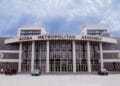
The proposals were presented during a stakeholder consultation organised by the PURC in Accra, with participation from policy think tanks, academia, civil society organisations and the media.

According to the ECG, the current tariffs remain based on rates approved for the 2019–2020 regulatory period. The company argues that the continued use of those rates has created a gap between its operational costs and revenue, making the proposed adjustment necessary.
The GWCL also maintains that existing tariffs have not enabled full cost recovery, limiting its ability to finance critical infrastructure projects and improve service delivery.
The PURC has assured the public that the proposals are only the first stage of the tariff review process and that no decision has yet been taken.
The Commission said it would assess several factors before approving any adjustments, including operational benchmarks, system and commercial losses, and stakeholder feedback.
The proposed increases have generated public concern, with many consumers expressing frustration over the potential impact on the already high cost of living.
Some representatives of the utility providers have warned that failure to approve the proposed tariffs could lead to power outages and disruptions in water supply, comments that have drawn criticism from sections of the public.
Observers argue that such statements are premature since the PURC has not completed its review or announced a final decision.
Analysts have also called on the regulator to carefully evaluate whether the quality of services provided justifies the requested increases and whether consumers have the capacity to absorb higher utility costs.
Many believe that any eventual tariff adjustment should strike a balance between ensuring the financial sustainability of utility providers and protecting consumers from further economic hardship.