
Ghana’s economic landscape is undergoing significant shifts as fresh monetary easing, regulatory interventions, improved tax sentiment and notable corporate achievements shape the final quarter of 2025.
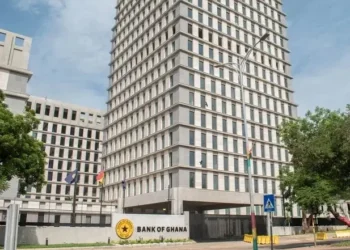
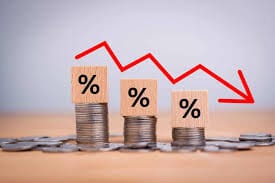
A major highlight is the sharp reduction in the Ghana Reference Rate (GRR) to 15.9% for December, the lowest in months and a development expected to ease borrowing costs across the financial system.
Get more exclusive breaking news updates on our WhatsApp channel .
The 200 basis-point drop, driven by the Bank of Ghana’s recent policy rate cut to 18% and marginal declines in Treasury bill yields, has been welcomed by industry players.
According to the Ghana Association of Banks, most loans in the system are variable-rate facilities priced against the GRR, meaning businesses and households are set to benefit almost immediately.

Chief Executive John Awuah indicated that the revised rate is “already reflecting” in bank lending, and analysts maintain that a continued slowdown in inflation could push the benchmark rate toward single digits by year-end.
In the rural banking sector, the Bank of Ghana has moved to avert potential industrial disruption after staff at ARB Apex Bank demanded clarity on the contract of Managing Director Allesia Wa.
The central bank has granted a “no objection” for the contract renewal and emphasised its regulatory authority in matters of key management appointments.
The intervention has ended threats of strike action and restored stability within the Apex Bank’s workforce.
Domestic revenue mobilisation is also receiving renewed attention as the Ghana Revenue Authority intensifies a national sensitisation campaign aimed at the informal sector.
Officials argue that while the informal economy accounts for 85% of the workforce, its tax contribution remains disproportionately low. The GRA believes improved compliance could significantly reduce the country’s reliance on external borrowing.
During an outreach session in Wa, taxpayers were reminded that national taxes differ from local levies collected by assemblies and are essential for national development.
Fresh data also indicates that business sentiment toward Ghana’s taxation regime has improved.
A United Kingdom Chamber of Commerce survey shows a 16% rise in positive perception, attributed largely to the government’s removal of the Electronic Transaction Levy and the COVID-19 Levy.
The survey further revealed rising confidence in Ghana’s regulatory environment and increased adoption of standardised processes and certifications among firms.
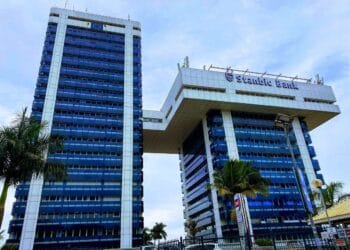
In the corporate sector, Stanbic Bank has launched a three-day “Beyond School Academy for Girls,” designed to equip young Senior High School graduates with financial literacy, leadership insights and digital skills.
The programme forms part of the bank’s broader goal to boost financial preparedness and entrepreneurship among Ghanaian youth.
Meanwhile, Labadi Beach Hotel continues to consolidate its dominance in Ghana’s hospitality industry.
Managing Director David Edwafo has been named Outstanding Tourism Man of the Year 2025, adding to multiple recognitions he and the hotel have secured this year.
The hotel has also been inducted into two separate Hall of Fame categories after securing consecutive wins at national award events. Festive activities—including a free Carols Night on December 7 and a Christmas Day Lunch on December 25- are expected to draw large patronage.
Together, these developments signal a cautiously optimistic end to the year, with improved monetary conditions, a stronger regulatory environment, enhanced tax engagement and corporate excellence shaping Ghana’s economic momentum heading into 2026.