Ghana has joined four other countries in a new initiative to strengthen land governance and promote sustainable agricultural investment aimed at building resilient food systems.
The Transformative Land Investment (TLI) project brings together Ghana, Ethiopia, Mozambique, Laos and Myanmar to improve land tenure security, encourage responsible land-based investments and support sustainable food production.
Get more exclusive breaking news updates on our WhatsApp channel .
The initiative, funded by the Swiss Agency for Development and Cooperation (SDC), is being implemented by the Centre for International Forestry Research (CIFOR), SNV Netherlands Development Organisation, Centre for People and Forests (RECOFTC), Land Equity International (LEI) and World Agroforestry (ICRAF).
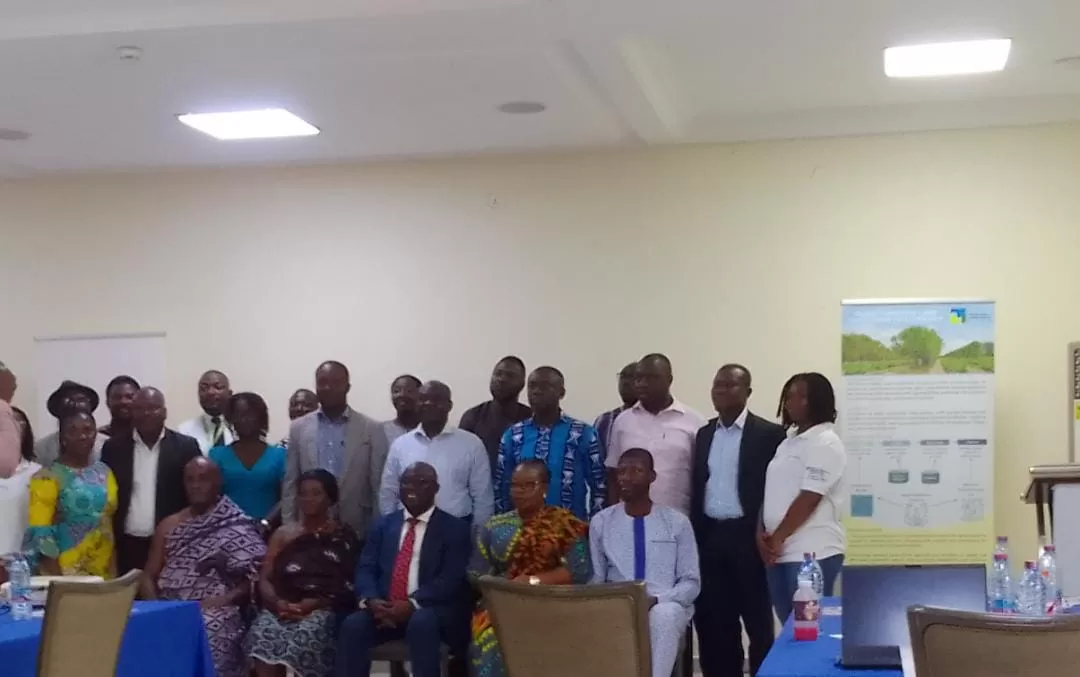
Speaking at the launch of Ghana’s multi-stakeholder platform in Accra, the Deputy Chief Executive Officer for Operations at the Tree Crops Development Authority (TCDA), Foster Boateng, described the project as timely and said it would strengthen sustainable land investment while supporting efforts to reduce poverty and improve food security.

He explained that the initiative would complement government programmes to develop tree crops such as cashew, shea, mango, coconut, rubber and oil palm, contributing to economic growth and environmental sustainability.
According to Mr Boateng, TCDA is committed to implementing the project’s principles to improve land governance, protect agricultural lands and create a more resilient food system.
The platform, which includes representatives from government institutions, civil society organisations, traditional authorities and private sector investors, will also work to address land tenure challenges, reduce inequalities in access to agricultural land and improve market opportunities for farmers.
SNV Ghana’s Multi-Country Project Manager, Professor Divine Odame Appiah, said the project is expected to promote socially inclusive and gender-sensitive land governance while improving livelihoods, strengthening agricultural resilience and enhancing food systems.
Stakeholders at the launch expressed optimism that the initiative would help resolve longstanding land ownership challenges and support increased agricultural production across the participating countries.