

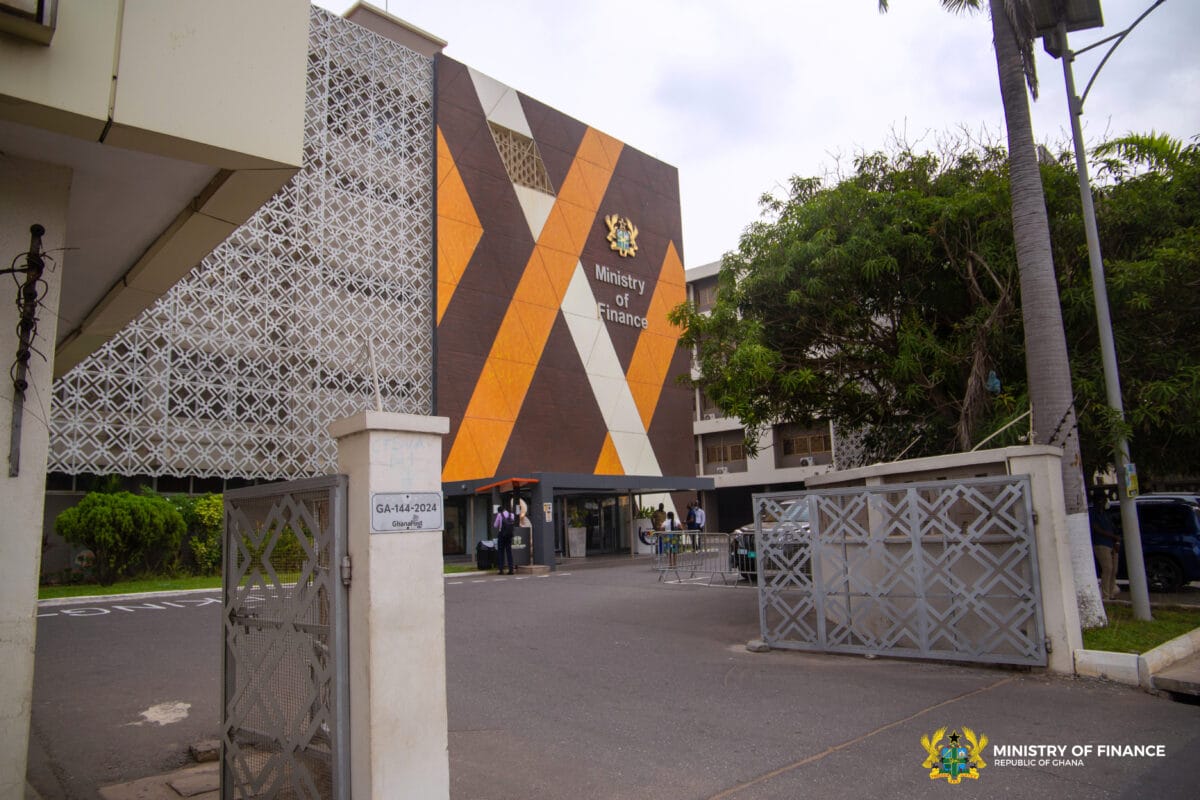
Ghana is estimated to have lost about US$54.1 billion to commercial illicit financial flows (IFFs) over a ten-year period between 2013 and 2022, raising serious concerns about revenue leakages and their impact on national development.
Commercial illicit financial flows generally occur through practices such as trade misinvoicing, profit shifting, tax evasion, and aggressive tax avoidance by multinational companies.
Get more exclusive breaking news updates on our WhatsApp channel .
These activities deprive the country of critical resources that could otherwise be invested in public services such as education, healthcare, infrastructure, and social protection.
The scale of the losses highlights persistent structural weaknesses in financial regulation, customs administration, and corporate taxation.

Experts note that trade misinvoicing,where imports and exports are deliberately under- or over-invoiced to shift money across borders,remains one of the major channels through which funds illegally leave the country.
Weak enforcement mechanisms and limited access to accurate international trade data have further compounded the problem.
The impact of these illicit outflows is particularly severe for a developing economy like Ghana, which continues to face fiscal pressures, rising public debt, and growing demands for social spending.
Analysts argue that even a fraction of the lost US$54.1 billion could have significantly reduced budget deficits, improved infrastructure, and strengthened economic resilience over the past decade.
In response, successive governments have introduced measures aimed at curbing illicit financial flows, including tax reforms, digitisation of revenue collection systems, and stronger collaboration between regulatory agencies.
Ghana has also participated in international initiatives focused on tax transparency, beneficial ownership disclosure, and information sharing to combat cross-border financial crimes.
However, policy analysts stress that more coordinated action is needed. They are calling for stronger transfer pricing regulations, enhanced capacity for tax authorities, tougher penalties for offenders, and deeper cooperation with international partners to track and recover illicit funds.
As Ghana seeks sustainable economic growth and fiscal stability, addressing commercial illicit financial flows is increasingly seen as a critical priority.
Reducing these losses, experts argue, would not only strengthen domestic revenue mobilisation but also restore public confidence in the fairness and effectiveness of the country’s economic governance system.