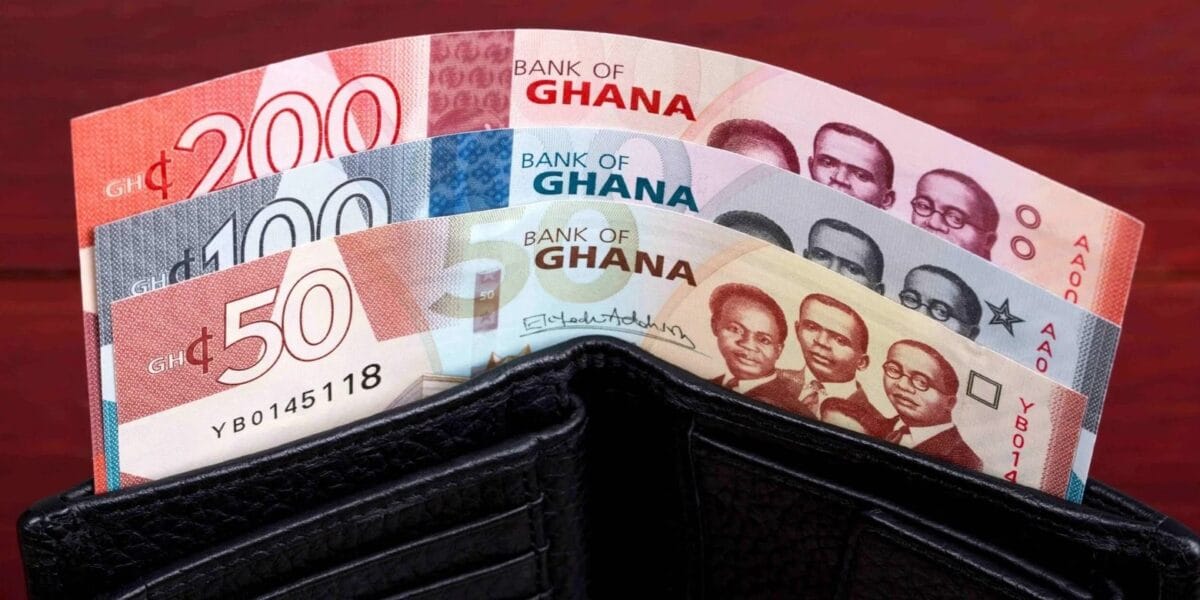
The Ghana cedi is closing 2025 on its strongest footing in the past 10 years, marking a sharp turnaround from the traditional end-of-year depreciation and offering relief to the private sector.
Contrary to the usual fourth-quarter “forex squeeze,” where importers rush for foreign exchange ahead of the festive season, the local currency has held firm and gained value against major international currencies.
Get more exclusive breaking news updates on our WhatsApp channel .
Interbank market data show that last week the dollar traded at GHȼ11.50, the pound at GHȼ15.36 and the euro at GHȼ13.47. By the final week of December, the rates had improved to GHȼ11.11 for the dollar, GHȼ15.00 for the pound and GHȼ13.08 for the euro.
This performance contrasts sharply with December 2024, when the cedi traded at GHȼ14.71 to the dollar, GHȼ18.49 to the pound and GHȼ15.33 to the euro.

Economic analysts attribute the stability to a combination of positive fiscal indicators, including a current account surplus supported by favourable capital and financial account balances. These developments have strengthened Ghana’s external position and supported exchange rate stability.
Reduced import pressure toward the end of the year and strong foreign exchange inflows from Ghanaians in the diaspora returning for “Beyond the Return” activities have also boosted forex supply.
For businesses, the stronger cedi has eased uncertainty in pricing and planning. Importers, traders and manufacturers are benefiting from a more predictable exchange rate environment, with expectations that the trend could help lower the cost of doing business in the first quarter of 2026.
As 2025 draws to a close, market sentiment remains cautiously optimistic, with hopes that the currency’s performance signals a more stable macroeconomic outlook going forward.