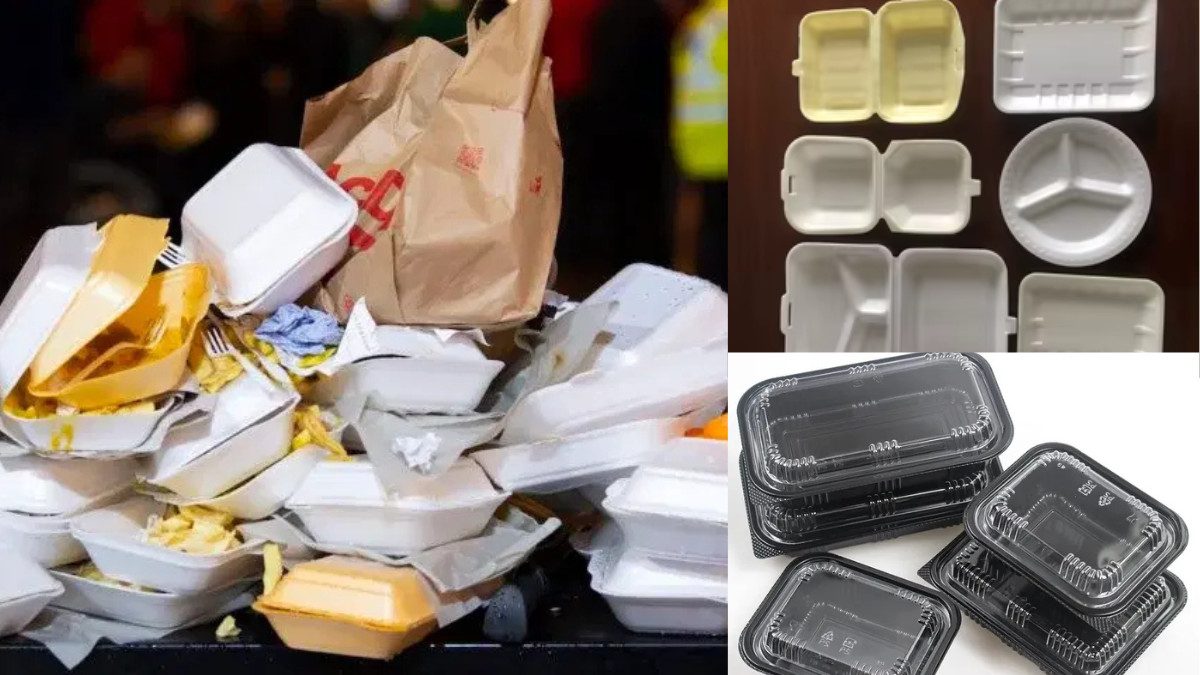
The Environmental Protection Authority (EPA) has announced that the ban on the production, importation, distribution, sale and use of polystyrene foam products, commonly known as Styrofoam or takeaway packs, will take effect from January 1, 2027.
The statement was issued by the Management of the Environmental Protection Authority on May 25, 2026.
The EPA said the directive follows a policy announcement made by President John Dramani Mahama during the 2025 World Environment Day celebration on June 5, 2025, as part of efforts to combat plastic pollution and protect the environment.
Get more exclusive breaking news updates on our WhatsApp channel .
According to the Authority, the ban will apply to all forms of expanded polystyrene (EPS) foam products used for human activities and commercial purposes.
The ban covers food packaging containers and takeaway packs, disposable cups and plates, foam packs used by restaurants, chop bars and food vendors, as well as packaging and cushioning materials made from polystyrene foam.

It also includes ceiling and insulation materials, foam mattresses and bedding products, and all other polystyrene foam items intended for human use or consumption-related activities.
The EPA, however, noted that the prohibition will not apply to EPS products specifically intended for medical, scientific, laboratory and diagnostic purposes, subject to the applicable regulator.
The Authority said the directive forms part of efforts to protect public health, improve environmental sanitation, reduce plastic pollution, promote sustainable development and ensure compliance with environmental standards.
It has therefore directed manufacturers, importers, distributors and users of polystyrene foam products to begin transitioning to safer, reusable, recyclable and environmentally sustainable alternatives ahead of the implementation date.
The EPA said it will undertake nationwide stakeholder engagements, public education and technical consultations during the transition period, while strengthening compliance monitoring, regulatory inspections and enforcement preparedness.
The Authority added that it will collaborate with Metropolitan, Municipal and District Assemblies, port authorities, customs officials and industry regulators to ensure effective nationwide enforcement of the ban.