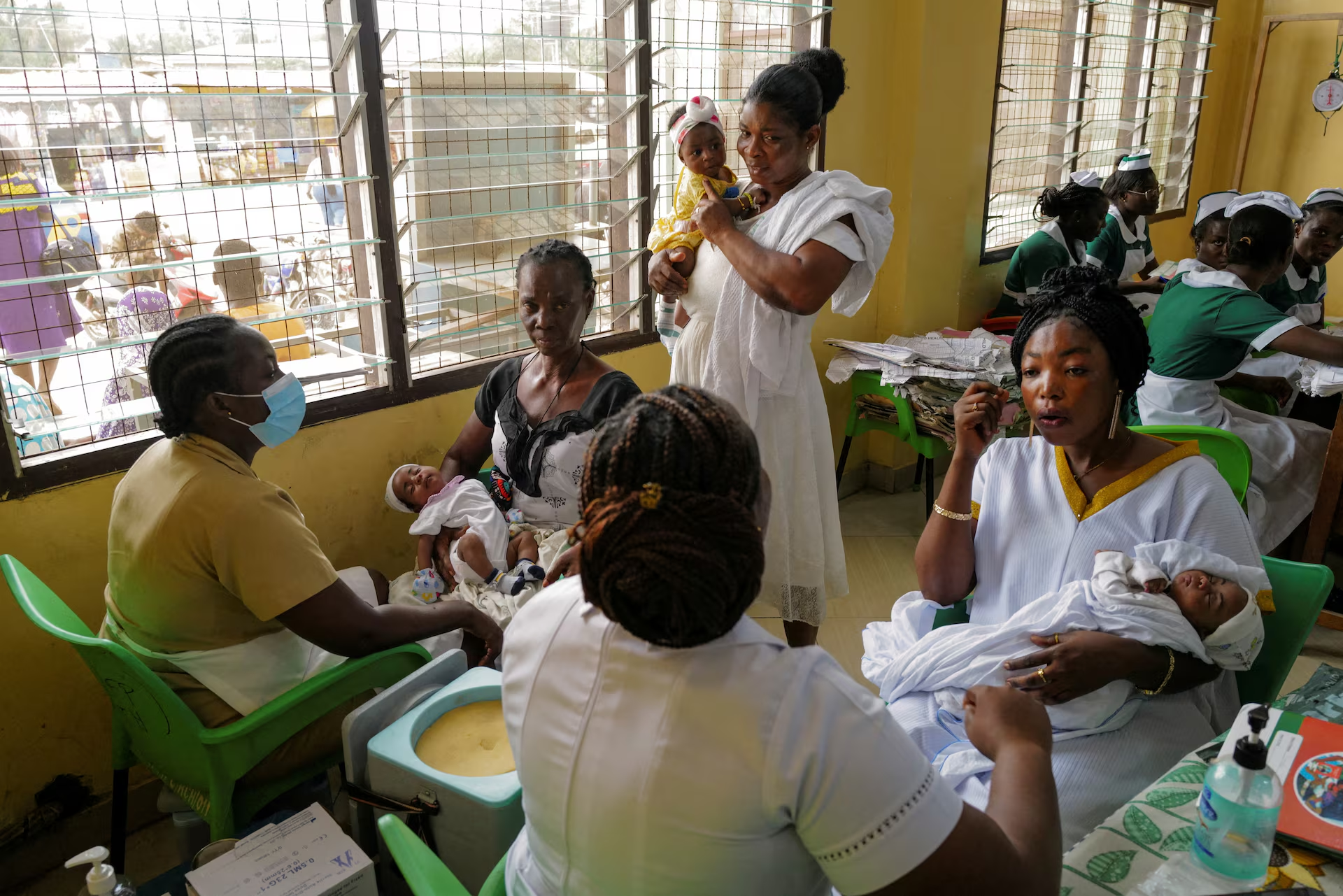
Ghana has rejected a proposed bilateral health agreement with the United States over concerns about sharing sensitive health data, according to a source familiar with the negotiations.
The deal, part of the Trump administration’s “America First Global Health Strategy,” would have provided $109 million in U.S. health assistance to Ghana over five years. However, the Ghanaian government declined to proceed after objecting to terms requiring access to sensitive data.
Get more exclusive breaking news updates on our WhatsApp channel .
The decision follows similar setbacks for the U.S. in other countries. Zimbabwe reportedly walked away from comparable talks, while a court in Kenya suspended implementation of a signed agreement after legal challenges.
Negotiations between Ghana and the U.S. began in November but became increasingly strained, with reports of mounting pressure from Washington to finalise the deal before an April 24 deadline. Ghana ultimately communicated that it could not accept the proposed terms.

U.S. officials declined to comment on specific details of the negotiations but stated that efforts to strengthen bilateral relations with Ghana would continue.
The agreement was part of a broader shift in U.S. foreign aid policy, which encourages developing countries to take greater responsibility for combating diseases such as HIV/AIDS, malaria, tuberculosis, and polio, while gradually transitioning away from reliance on aid.
In 2024, the U.S. disbursed $219 million in foreign assistance to Ghana, including $96 million for health programs. The future of health cooperation between the two countries remains uncertain following the breakdown in talks.