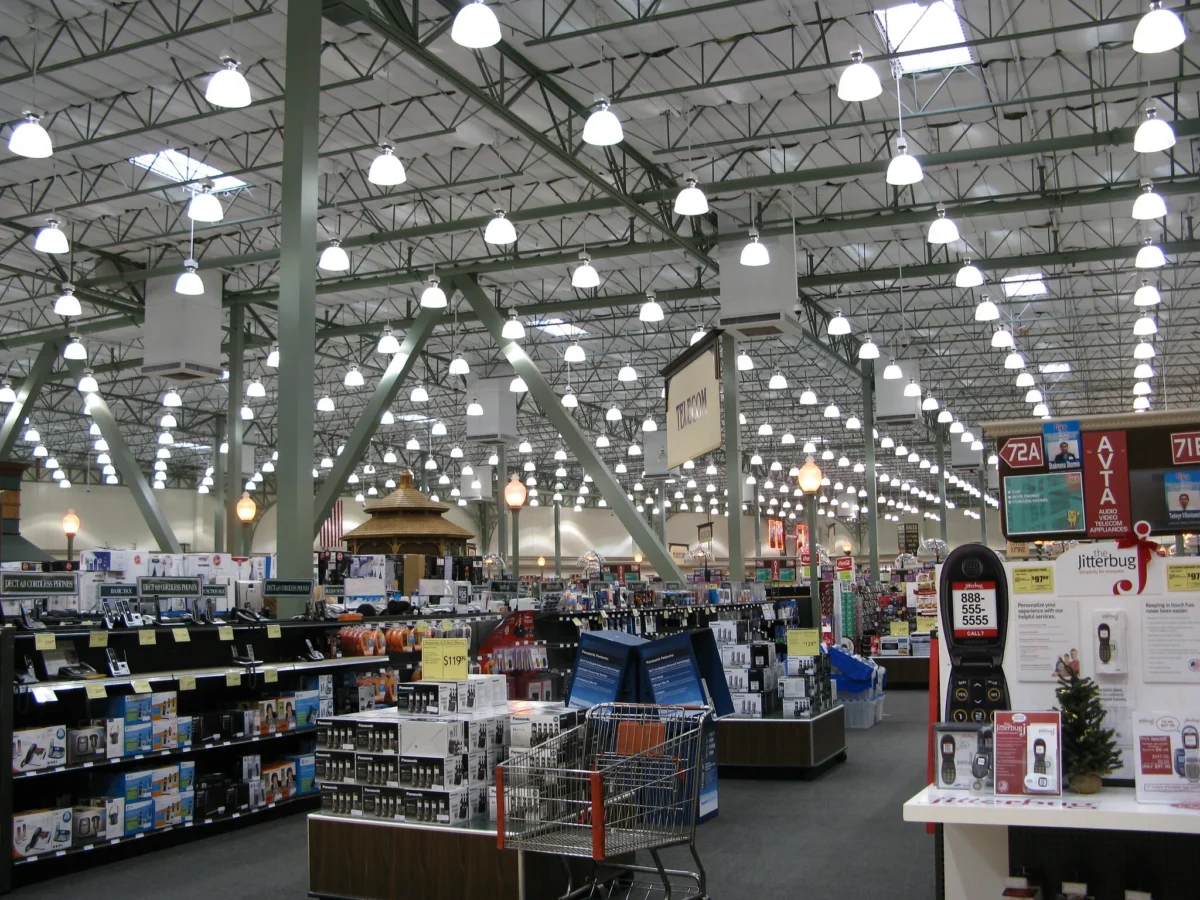
Fry’s Electronics, once a $2 billion retail empire and widely regarded as a cultural hub for technology enthusiasts, ceased all operations in February 2021 following years of internal and external pressures that eroded its business.
Founded in 1985 in Sunnyvale, California, by the Fry family and Kathy Cer, the company applied grocery store principles to electronics retail. Using $1 million each in seed funding, the founders built a model centred on high volume, low prices, and vast product selection. Stores stocked everything from consumer electronics to snacks and magazines, while aggressive discounting and supplier slotting fees helped position Fry’s as a price leader.
Get more exclusive breaking news updates on our WhatsApp channel .
The company also minimised labour costs, operating under the assumption that its core customer base preferred a self-service environment over traditional sales assistance.
At its peak in the early 2000s, Fry’s generated nearly $2 billion in annual revenue, operating 34 stores across nine states and employing 5,400 people. Its large-format stores, some spanning 150,000 square feet, featured elaborate themes such as Ancient Egypt, the Wild West, and outer space, creating a “treasure hunt” shopping experience. A single store could generate approximately $85 million annually, significantly outperforming competitors at the time.

However, internal issues began to surface in 2008 when a major fraud scheme involving Vice President Omar Sadiki was uncovered. Over more than a decade, Sadiki orchestrated a kickback operation in which suppliers submitted inflated invoices. Fry’s overpaid these vendors, who then returned excess funds to Sadiki. The scheme resulted in more than $100 million in losses for the company. During a three-year period, Sadiki reportedly wired $120 million to Las Vegas casinos, despite earning a $225,000 salary.
As the retail landscape shifted, Fry’s struggled to adapt. While it acquired the e-commerce platform Outpost.com, it failed to effectively transition to online retail. Competitors such as Amazon and Newegg advanced digital-first models, while Best Buy invested in customer service through initiatives like in-store technical support.
Fry’s maintained its low-service approach and allowed store conditions to deteriorate, with locations increasingly appearing outdated. By the mid-2010s, its core customer base migrated online, favouring convenience and pricing over the in-store experience.
The company’s final years were marked by severe operational decline. By 2019, suppliers, including major manufacturers like Samsung, halted shipments due to unpaid bills. In response, Fry’s attempted to shift to a consignment model, asking suppliers to provide inventory without upfront payment and receive compensation only after products were sold. Most suppliers refused this approach, further worsening inventory shortages.
The onset of the COVID-19 pandemic in 2020 accelerated the company’s collapse. With in-person retail disrupted, Fry’s fragile business model could no longer sustain operations. Despite public assurances that conditions would improve, the company abruptly shut down its remaining 31 stores in February 2021.
The fall of Fry’s Electronics highlights the risks of failing to adapt to changing market dynamics. Despite early innovation and dominance, the company’s reliance on an outdated retail model, combined with internal fraud and mounting competitive pressures, ultimately led to its demise.