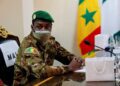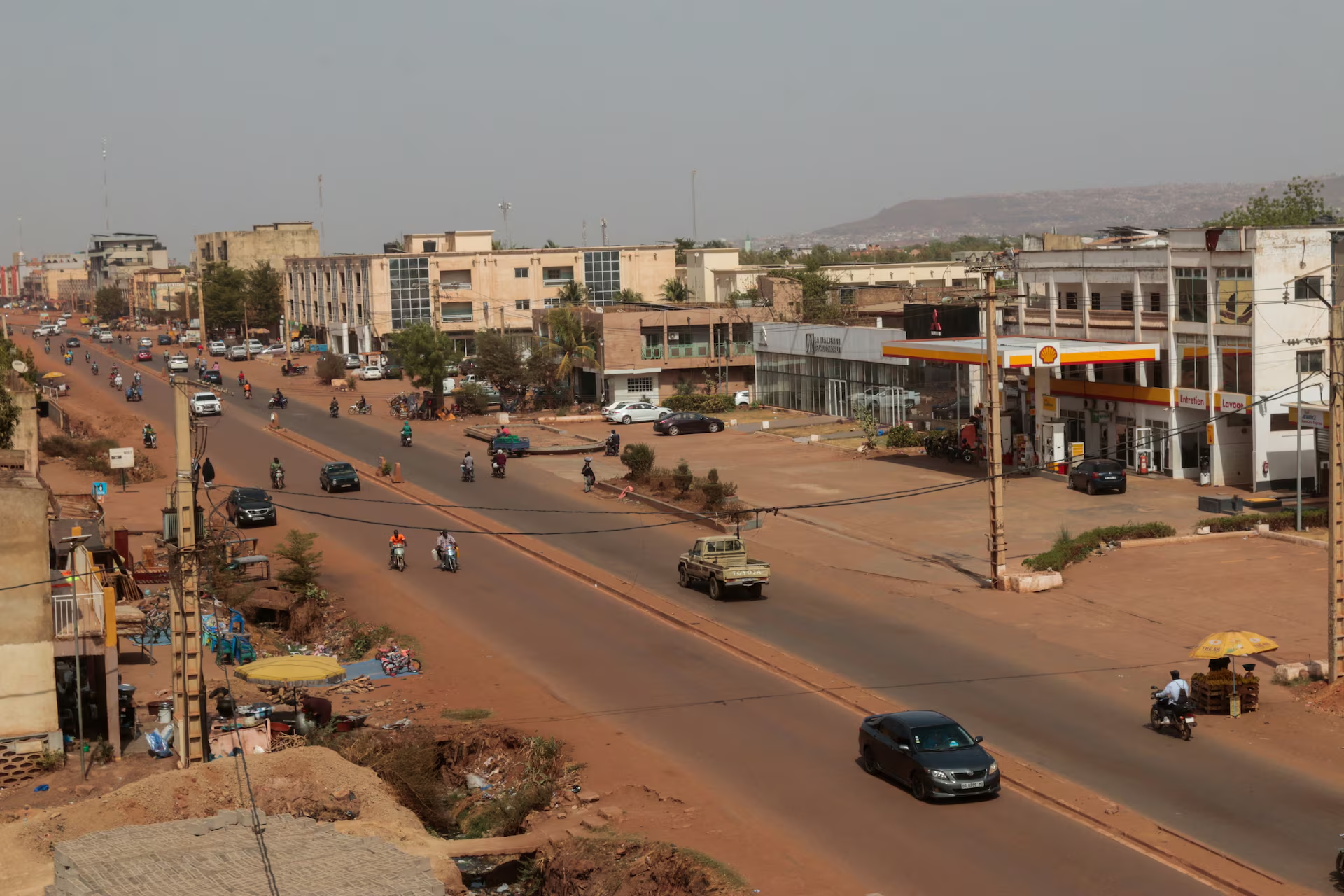
Bamako, Mali – Sadio Camara has died after a suicide attack targeted his residence in Kati, as insurgent groups carried out one of the largest coordinated offensives in recent years across Mali.
According to government spokesperson Issa Ousmane Coulibaly, a car laden with explosives rammed into Camara’s residence in Kati, about 15 km from the capital Bamako. A firefight followed, and the minister later died in hospital from his injuries. The government has declared two days of national mourning.
Get more exclusive breaking news updates on our WhatsApp channel .
The attack was part of a wider, coordinated operation carried out on Saturday across more than half a dozen locations. Targets included areas near Bamako airport and towns in the north such as Mopti, Sevare and Gao.
The al Qaeda-linked group Jama’at Nusrat al-Islam wal-Muslimin (JNIM) claimed responsibility, reportedly in cooperation with a Tuareg-dominated rebel group known as the Azawad Liberation Front. Both groups said they carried out simultaneous attacks across the country.

The government has not released an official death toll, though it acknowledged civilian and military casualties.
The situation in the strategic northern city of Kidal remains unclear. The rebel group claimed the city had fallen and said an arrangement had been reached to allow Russian mercenaries to leave a besieged camp. However, Mali’s army chief, Oumar Diarra, stated that forces had only been repositioned and that operations were ongoing.
Analysts and diplomats described the offensive as a major setback for Russia, which supports Mali’s military government after the expulsion of French, U.S., and other Western forces. Reports from Russian state media indicated that personnel from Russia’s Africa Corps, alongside Malian forces and the presidential guard, were engaged in repelling attacks, with some injuries reported.
The United Nations condemned the violence and called for an international response to escalating insecurity in the Sahel.
The attacks highlight ongoing instability in Mali, where insurgent groups continue to expand operations. Previous incidents include a September 2024 attack by JNIM on a paramilitary police training school near Bamako airport that killed about 70 people, and a more recent fuel blockade that disrupted power and supplies in the capital.
The government has also alleged that unnamed neighbouring states and foreign powers are backing terrorist groups, while continuing to pursue closer ties with Washington on security cooperation and mining opportunities.