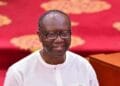
As Finance Minister Dr Cassiel Ato Forson presented the 2026 National Budget in Parliament, a visit to markets, bus stations, and communities across Mfantseman Municipality revealed that many ordinary Ghanaians remained largely unaware of the event or its relevance to their daily lives.
Conversations were dominated by concerns over rising prices and unemployment rather than government fiscal plans.
Get more exclusive breaking news updates on our WhatsApp channel .
At Nanaanom Market, most traders had no knowledge of the budget presentation. “I didn’t even know the budget was coming,” said Adwoa Mensah, a tomato seller. “Every year they say they are reading a budget, but prices keep going up. So, what’s the use?”
Her view was echoed by taxi driver Kofi Asare, who argued that government budgets have become “too technical” for ordinary citizens. “They should tell us in simple language what they are doing for us. We don’t see any change after the reading,” he added.

Economists and analysts have highlighted that this lack of public awareness points to a significant communication gap between policymakers and citizens. While the budget sets national priorities, including taxes, wages, and social interventions, many Ghanaians remain excluded from the conversation. “The budget affects fuel prices, food costs, and even job creation. If people are unaware, it means they can’t hold leaders accountable,” an economist noted.
Civic groups have urged broader public education and community engagement before and after budget presentations to ensure that ordinary citizens understand and can engage with policies that directly impact their lives.