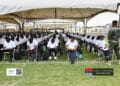


The Ministry of Education, led by Haruna Iddrisu, has outlined a broad reform agenda aimed at improving the quality, inclusivity and sustainability of Ghana’s education system despite major financial and infrastructural constraints.
While the sector receives a large budget, most funds go into salaries, limiting the ministry’s ability to respond quickly to challenges such as teacher strikes and infrastructure deficits, which continue to affect schools nationwide.
Get more exclusive breaking news updates on our WhatsApp channel .
RelatedNews


Under President John Dramani Mahama‘s vision, the government is shifting focus from expanding access alone to improving educational quality.
Key measures include curriculum reforms at the basic level to promote ethics, integrity and financial literacy, alongside a major push to transform STEM education through practical, hands-on learning.

The administration is also strengthening the integrity of national examinations, tightening supervision and addressing exam malpractice and protocol admissions.
Free Senior High School remains in place, but with reforms to ensure sustainable financing and better infrastructure through amendments to the GETFund Act and a 180 million US dollar World Bank-supported school improvement programme.
Inclusivity is a core priority, with plans to provide free tertiary education for persons with disabilities, increased funding for special needs schools, and expanded support services.
At the tertiary level, initiatives such as the “No Fee Stress” policy and reforms to the Ghana Scholarship Authority are designed to remove financial barriers and promote fairness.
Overall, the strategy signals a renewed commitment to building a high-quality, equitable and future-ready education system in Ghana.