

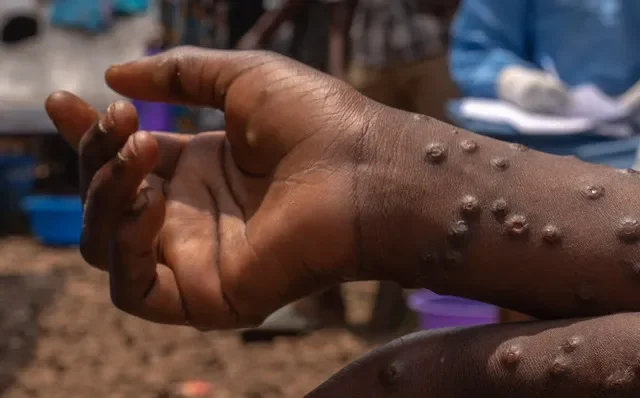
The Ghana Health Service (GHS) has confirmed 10 new Mpox infections, raising the country’s total case count to 565 as of September 20.
According to an update, two patients are currently on admission, while two deaths have been recorded. The cases span all 16 regions and about 100 districts nationwide.
Get more exclusive breaking news updates on our WhatsApp channel .
The Service said regional health directorates had activated contact tracing and other public health measures to curb further spread, with surveillance systems across the country on high alert. It added that it is working closely with the Ministry of Health to ensure the necessary protocols are fully implemented.
Prof. Samuel Kaba Akoriyea, Director General of GHS, assured the public that there was no cause for alarm, noting that Ghana’s public health system remained vigilant with protocols for detecting, managing, and controlling infectious diseases.

The GHS urged the public to maintain good hygiene, avoid close contact with symptomatic individuals, refrain from touching rashes or body fluids, use protective gear when caring for the sick, and promptly report suspected cases to the nearest health facility.
Government, it said, remained fully committed to safeguarding citizens, stressing: “We have the capacity and expertise to manage this situation and prevent a larger outbreak.”
Mpox, a viral disease transmitted through close contact with infected persons, animals, or contaminated materials, presents with symptoms including rash, fever, headaches, swollen lymph nodes, muscle aches, and fatigue.
The Service advised frequent handwashing, covering lesions when around others, wearing masks, disinfecting shared spaces, and using saltwater rinses for oral sores until full recovery.
The World Health Organisation (WHO) declared Mpox a public health emergency of international concern in August last year following a new variant spreading in Africa. More than 13 African countries have reported cases, with over 17,000 suspected infections and 517 deaths on the continent.
In response, WHO approved the use of an Mpox vaccine last year to ensure timely access for millions at risk, particularly in Africa, where the latest outbreak has affected more than 20,000 people.