
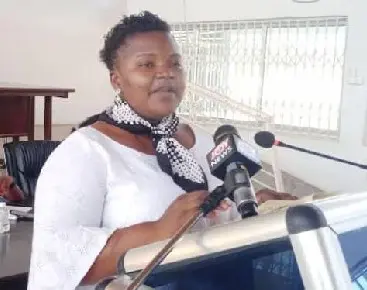
The Upper West Regional Director of the Department of Gender, Madam Charity Batuure, has advised young women and girls to protect their self-esteem and avoid actions that could damage their reputation in the future.
She urged them to desist from sharing obscene materials, including explicit sexual content, on social media platforms such as WhatsApp and Facebook, warning that such acts could have long-term consequences.
Get more exclusive breaking news updates on our WhatsApp channel .
Madam Batuure gave the advice at a youth symposium held in the Wa Municipality on the civil responsibilities of young people in addressing the growing trend of creating and sharing obscene materials online.
The forum, organised by Community Aid for Rural Development (CARD) Ghana in partnership with Curious Minds Ghana and Info Radio, a local radio station in Wa, followed the circulation of sex videos involving a young woman and man in Wa, which led to them being flogged earlier in the month.

She explained that some individuals share such content on social media without considering the possible impact on their future.
“One day, you will want to stand for a position or engage in an important social activity, and someone may bring out a video you shared years ago to discredit you,” she said.
Madam Batuure advised young women and girls against keeping sex tapes on their phones or sharing them with others, stressing that such materials could negatively affect their image and opportunities.
A lecturer at the SD Dombo University of Business and Integrated Development Studies (SD UBIDS), Mr Dominic Paaga, said sharing sex tapes on social media could result in legal consequences.
He explained that persons found guilty of offences related to such acts could face various forms of punishment, including imprisonment of up to 25 years. He encouraged the public to support law enforcement agencies in enforcing laws against the spread of obscene materials.
Ms Leenat Abdul-Rahman, Executive Director of CARD Ghana, said the symposium was aimed at helping young people find collective solutions to the growing challenge of obscenity on social media.
The event was attended by representatives from the Waala Traditional Council, the Ghana Journalists Association, the clergy, youth organisations, and the Upper West Regional branch of the Musicians Union of Ghana (MUSIGA).
The organisers also launched social media campaigns with hashtags including “#Leaveoutobscenity”, “#Saveyourdata” and “#SaveWa” to encourage responsible online behaviour.