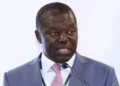
A high-level national multi-stakeholder dialogue on illegal mining has ended in Koforidua with a strong call for a coordinated national response grounded in justice, equity, and sustainability to address the growing galamsey menace.
The two-day event, organised by the Media Foundation for West Africa (MFWA), brought together representatives from government, parliament, civil society, academia, traditional and religious leadership, the private sector, and the media at the Eastern Premier Hotel in the Eastern Region.
Get more exclusive breaking news updates on our WhatsApp channel .
A communiqué issued at the close of the dialogue identified weak enforcement of mining laws, overlapping institutional mandates, inadequate logistics, and a perceived lack of political will as key factors perpetuating the crisis. It also cited the widespread use of heavy machinery and toxic chemicals, particularly mercury, which continue to devastate rivers, forests, and biodiversity.
“The destructive ramifications of illegal mining are well-known, yet enforcement remains fragmented and ineffective,” the communiqué stated.

Participants warned that illegal mining was eroding traditional authority, fracturing community cohesion, and fueling social discontent as youth sought quick wealth from galamsey activities. The widening gap between anti-galamsey rhetoric and enforcement outcomes, they added, was deepening public mistrust and weakening the rule of law.
To tackle these issues, the dialogue proposed a series of legal, institutional, and community-based reforms. Chief among them was the repeal of Legislative Instrument (LI) 2462 and the expedited passage of LI 2501 to protect forest reserves.
The communiqué also called for the harmonisation of mandates among key regulatory agencies, including the Minerals Commission, Environmental Protection Authority, Forestry Commission, and Water Resources Commission, to eliminate duplication and bureaucratic conflicts.
Participants further urged the enactment of legal provisions to hold public officials accountable for regulatory lapses. In line with the Minamata Convention on Mercury (2013), the dialogue recommended repealing laws that permit mercury use in mining and promoting safer alternatives.
Other recommendations included parliamentary scrutiny of mineral rights in ecologically sensitive areas, public disclosure of all mining licenses, and strengthened financial oversight through collaboration with the Bank of Ghana, Financial Intelligence Centre, and the Economic and Organised Crime Office (EOCO).
The communiqué also proposed blockchain-based gold traceability systems, anti-money laundering measures, and strict documentation for bulk gold transactions.
Additionally, participants recommended the creation of a Mining Ombudsman Office to receive and resolve community complaints and an independent Galamsey Accountability Commission to monitor reforms and report periodically to Parliament.
In a keynote address, Nene Sackitey II, President of the Eastern Regional House of Chiefs, urged traditional leaders and all stakeholders to unite in combating illegal mining. “We must act now to save lives and protect our land,” he said.