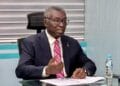
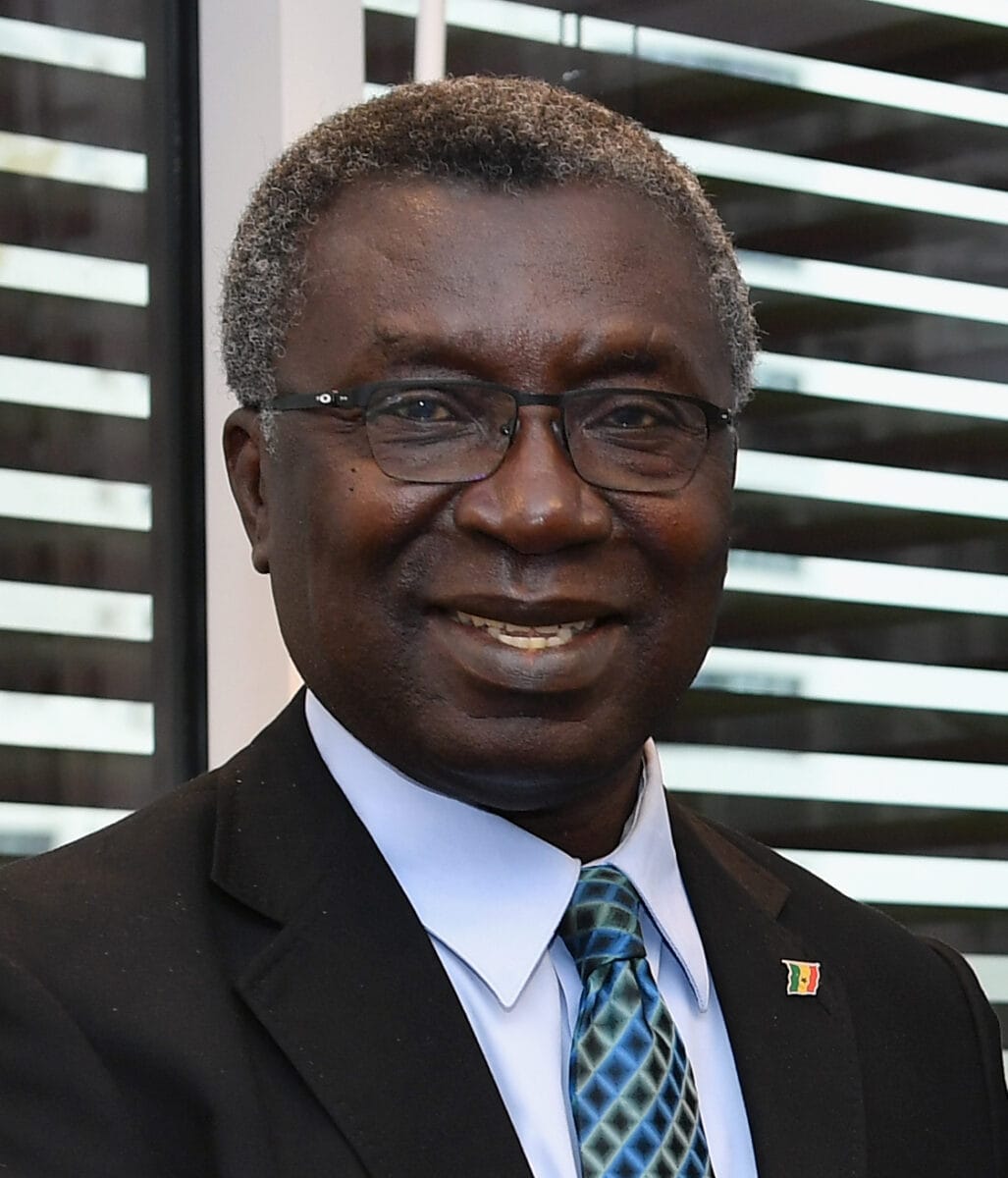
Former Minister of Environment, Science, Technology and Innovation, Prof. Kwabena Frimpong-Boateng, has called for a sustained national strategy to address Ghana’s growing housing deficit and urban transport challenges, warning that short-term interventions will not solve the country’s long-standing problems.
Delivering the keynote address at the 14th Prof. John Evans Atta Mills Commemorative Lecture on July 22, Prof. Frimpong-Boateng said Ghana’s housing deficit currently stands between 1.8 million and 2 million units, with demand increasing by about 100,000 housing units annually.
Get more exclusive breaking news updates on our WhatsApp channel .
He cited World Bank estimates indicating that Ghana is meeting only about 33 per cent of its housing needs, while more than 60 per cent of the population lives in informal settlements with limited access to basic services such as water and sanitation.
“These are not statistics from a country in crisis. These are statistics from a country that has accepted crisis as its normal condition. We cannot allow this to continue,” he said.

Prof. Frimpong-Boateng argued that addressing the housing shortage requires a long-term, well-funded strategy that transcends changes in government.
He proposed a three-pronged approach comprising the establishment of a national affordable housing fund, reforms to Ghana’s mortgage system and the mandatory enforcement of the national rent code.
“What is required is not another programme but a sustained funded cross-administration strategy built on three pillars: a national affordable housing fund, reform of the mortgage system and mandatory enforcement of the national rent code,” he stated.
The former minister also linked the housing crisis to the daily hardships faced by workers, noting that improvements in macroeconomic indicators do not necessarily translate into better living conditions.
“The indicators of macroeconomic recovery are real, but they do not travel to work by trotro in the heart of Accra or any other city. They do not pay rent two years in advance,” he said.
Turning to urban transportation, Prof. Frimpong-Boateng highlighted the severe congestion in major cities, particularly Accra, where some commuters spend up to two hours travelling a distance of about 3.3 kilometres.
He added that transportation costs consume an estimated 22 per cent of the monthly income of middle-income workers in the capital, placing additional financial pressure on households.
To improve urban mobility, he called for comprehensive transport reforms, including the maintenance of functional traffic lights, the implementation of long-term traffic management systems and consistent enforcement of traffic regulations rather than periodic crackdowns.