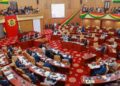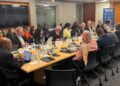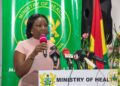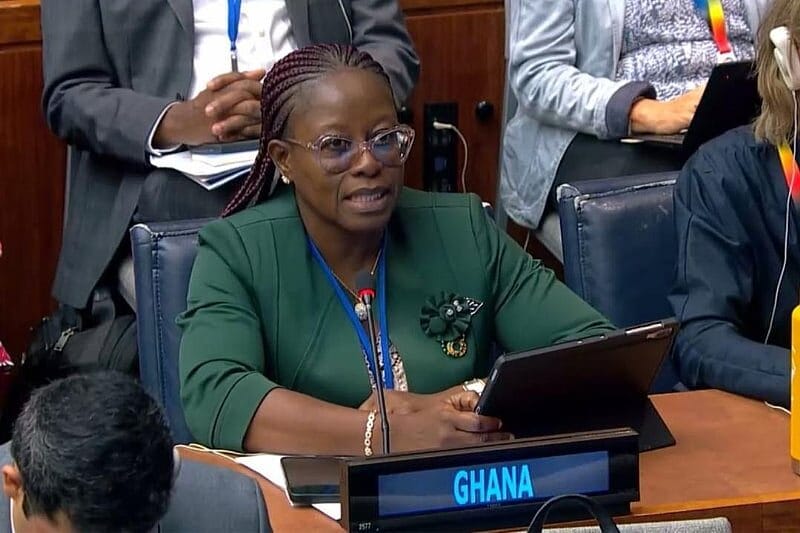
In a packed conference hall in Accra, Dr Audrey Smock Amoah, Acting Director-General of the National Development Planning Commission (NDPC), delivered a stark message: Ghana risks falling short of its development ambitions unless it strengthens investments in education, health and productivity.
Citing the World Bank’s Human Capital Index score of 0.45, she said a child born in Ghana today is on course to achieve less than half of their potential productivity by age 18 under current conditions.
Get more exclusive breaking news updates on our WhatsApp channel .
Her call for “deliberate and coordinated action” comes as ordinary Ghanaians wrestle with the realities behind the statistics.
At Kaneshie Market, trader Ama Owusu shared concerns over inconsistent teaching and low morale among educators, insisting that meaningful human capital investment must begin in the classroom.

Educational expert Dr Kwabena Bempah Tandoh echoed her frustrations, warning that innovation is impossible if students complete school without foundational literacy and numeracy skills.
The health sector faces similar strains. At Korle Bu Teaching Hospital, nurse Emmanuel Mensah described how preventable illnesses frequently sideline young people from learning and work.
He argued that without reliable healthcare access, productivity goals remain theoretical.
Dr Amoah agreed, stressing that socio-economic transformation depends on healthier, resilient citizens prepared for rapid technological change, including artificial intelligence.
While the NDPC’s long-term strategy envisions Ghana attaining high-income status by 2057, with a projected GDP of US$3.4 trillion and per capita income of at least US$50,000, many citizens struggle to connect these ambitions to their daily lives.
For Kofi Asante, a university graduate working as a ride-hailing driver, the biggest barrier is the mismatch between training and available jobs. He described the persistent disconnect as “killing our dreams.”
Labour-market gaps and the continuing outflow of skilled professionals are among the systemic issues Dr Amoah says require coordinated ministerial support.
She framed the Human Capital Development Strategy as a key pillar of the President’s “Resetting Ghana Agenda,” which prioritises stronger institutions, economic rebuilding and people-centred growth.
Teachers such as Madam Akua Nyarko in Kumasi see the urgency firsthand. Preparing students for careers that may not yet exist, she said, Ghana must emphasise technology, critical thinking and creativity to remain competitive.
Without such investment, she warned, “our children will always be behind.”
NDPC officials and researchers argue that building human capital is a shared responsibility, one involving families, educators, healthcare professionals and communities.
As Dr Tandoh put it, human capital represents the combined potential of every child who learns and every worker who innovates.
The road to 2057 is full of possibilities but demands consistent action.
For market women, nurses, teachers and young graduates, the strategy offers a glimpse of hope that today’s struggles may eventually give way to opportunity.