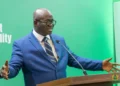
The Parliamentary Select Committee on Food, Agriculture and Cocoa Affairs has received a briefing from the Minister for Food and Agriculture, Eric Opoku, on the implementation of the government’s flagship Feed Ghana Programme and preparations for the ongoing farming season.
The meeting, chaired by the Committee Chairman, Dr Godfred Seidu Jasaw, focused on measures being undertaken to modernise agriculture, improve food security, create jobs and reduce Ghana’s dependence on food imports.
Get more exclusive breaking news updates on our WhatsApp channel .
The Minister outlined key interventions under the programme, including the establishment of Farmer Service Centres to improve access to quality inputs, mechanisation services, extension support and market information. He commended the committee for its support in advancing the initiative nationwide.
The committee was also briefed on the National School Farm Initiative, which seeks to integrate practical agriculture into schools while supporting school feeding programmes and encouraging young people to pursue agribusiness.

Another major component discussed was the expansion of irrigation infrastructure to reduce dependence on rainfall and improve year-round agricultural production.
The programme also includes the deployment of the Mobile Feed Ghana Brigade, comprising trained agricultural officers tasked with providing extension services and technical support to farmers across the country.
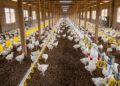
The Minister further highlighted initiatives to promote backyard poultry and vegetable production under the Nkoko Nkitinkitsi project to improve household food security, nutrition and youth participation in agriculture.
Beyond production, the programme places emphasis on strengthening agricultural value chains through agro-processing, market access, mechanisation, research and private sector partnerships aimed at adding value to agricultural produce.
Dr Jasaw commended the Ministry’s progress and called for sustained implementation, effective monitoring and adequate resource allocation to ensure the programme achieves its objectives.
The Feed Ghana Programme is expected to increase domestic food production, create employment, strengthen climate resilience and improve livelihoods through a comprehensive approach to agricultural development.