
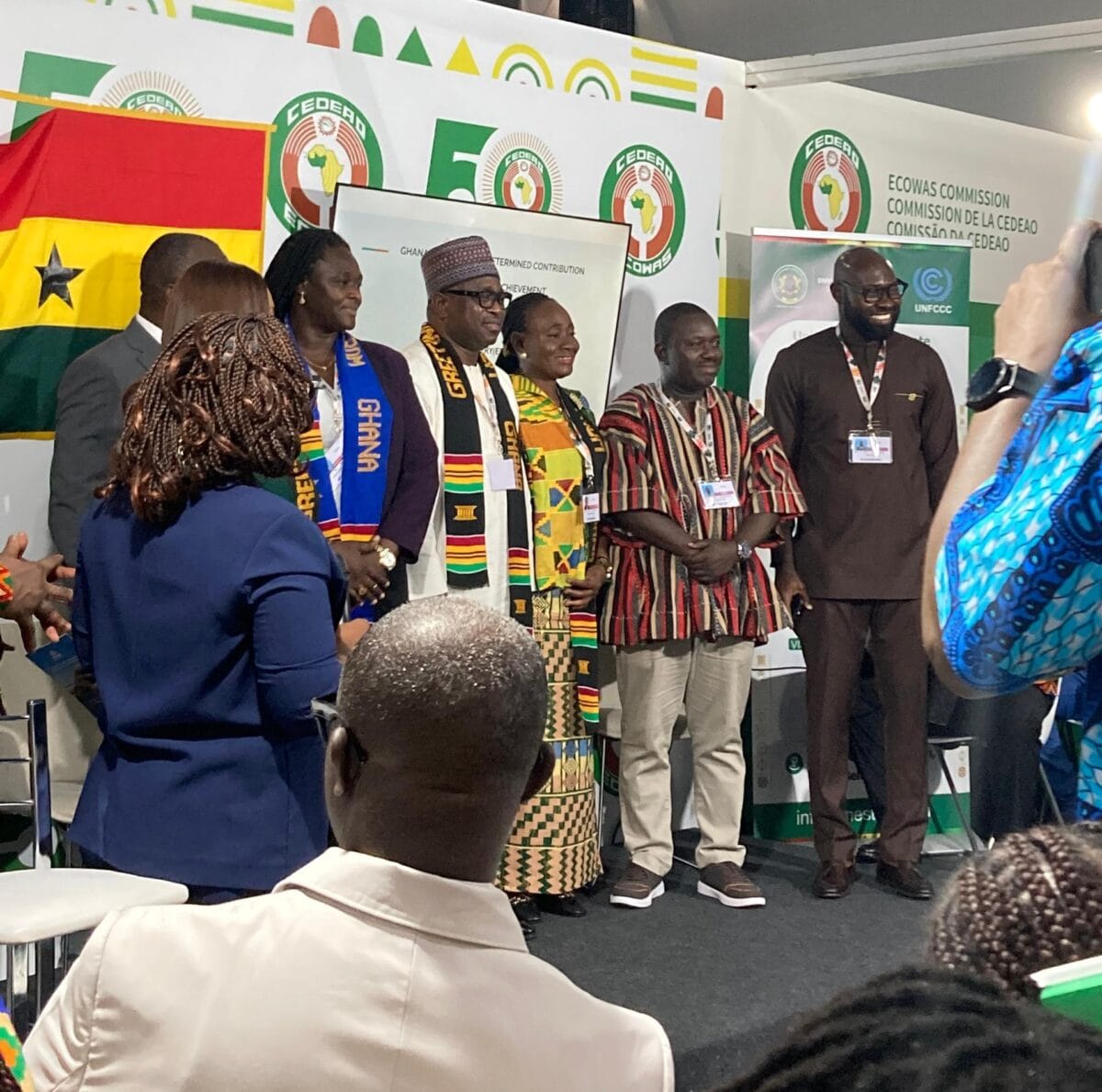
Ghana has recorded significant progress from its participation at the 30th UN Climate Change Conference (COP30) in Belém, Brazil, particularly in advocating for financing to address loss and damage caused by climate change.
Officials highlighted that many communities across the country are already facing unavoidable climate impacts, including infrastructure destruction, reduced agricultural yields, loss of livelihoods, and even fatalities, stressing that funding would help affected populations build resilience and adapt.
Get more exclusive breaking news updates on our WhatsApp channel .
Professor Nana Ama Browne Klutse, Chief Executive Officer of the Environmental Protection Agency (EPA), told journalists that Ghana’s role as Chair of the African Group of Negotiators (AGN) placed the country at the centre of shaping Africa‘s climate agenda, influencing negotiations on finance, technology transfer, and adaptation support.
“One of the issues important to us as Ghanaians is loss and damage due to climate change, and we have been following discussions to ensure we benefit from the funds that have been created,” she said.

Prof. Klutse underscored the need for improved access to the Green Climate Fund (GCF) to support Ghana’s adaptation priorities, especially in agriculture and coastal protection.
She also announced the launch of the Ghana Climate Negotiators Group, designed to strengthen coordination and technical preparation for international climate negotiations.
On discussions around fossil fuel phase-out, Prof. Klutse noted that global progress was limited, with many developing countries prioritising climate finance and support for vulnerable populations rather than immediate fossil fuel elimination.
“Our conversation at COP wasn’t about stopping or phasing out fossil fuels. It was about getting opportunities for our people, especially those who are heavily impacted by climate change,” she explained.
She highlighted that declining agricultural profitability was driving rural youth into illegal mining (galamsey), exacerbating land and water degradation and threatening food security.
Ghana used COP30 to raise these concerns, alongside broader issues of food insecurity and water pollution intensified by climate change and galamsey activities.
The Ghanaian delegation engaged in negotiations on technology transfer, adaptation financing, mitigation obligations, and other critical areas essential for long-term climate resilience.
Prof. Klutse pledged that Ghana would continue advocating for these issues ahead of COP31 to secure its fair share of technical and financial support, stating, “We will follow the conversations to make sure we get the benefits due us.”
COP30 convened world leaders, negotiators, civil society actors, youth, and experts, as developing nations pressed for equitable climate finance, stronger adaptation measures, and recognition of the severe impacts of climate change on vulnerable populations.