
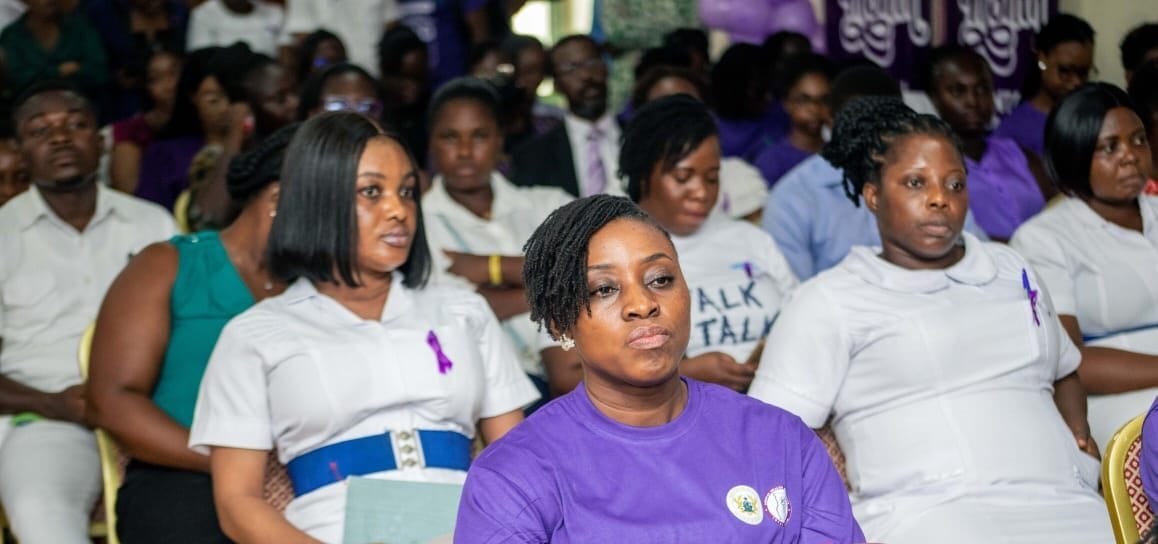
As Ghana joins the world to commemorate World Mental Health Day 2025, the Mental Health Society of Ghana (MEHSOG) has called for urgent policy reforms and coordinated disaster response systems to protect vulnerable populations and align the country’s practices with global mental health standards.
In a statement signed by Mr Humphrey Matey Kofie, Executive Secretary of MEHSOG, and copied to the Ghana News Agency, the organisation urged the government to integrate mental health services into Ghana’s emergency and disaster response mechanisms. It noted that disasters often inflict deep psychological trauma on both victims and first responders, making mental health support an essential part of humanitarian assistance.
Get more exclusive breaking news updates on our WhatsApp channel .
This year’s celebration is being observed under the global theme, “Access to Services, Mental Health in Catastrophes and Emergencies.” MEHSOG described the theme as timely, given the increasing frequency of crises worldwide.
“While basic needs and services are being mobilised for those affected, it is very important to be intentional about providing mental health services because they emphasise care, support, and healing,” the statement read.
Citing examples from global emergencies, including the Russia-Ukraine war, Israeli-Hamas conflict, and regional crises in Sudan, DR Congo, and the Sahel, the organisation warned that psychological distress arising from such catastrophes could evolve into long-term mental disorders if left unaddressed. It referenced data from the Centre for Strategic and International Studies (CSIS) and NBC News, which reported hundreds of thousands of deaths and injuries across various conflict zones.

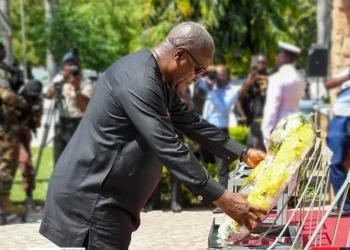
The statement also highlighted that Ghana had faced its own share of emergencies, including the helicopter crash that claimed eight lives, ethnic conflicts in Gbiniyiri that killed 31 and displaced nearly 50,000 people, the Akosombo dam spillage, flooding in Ga South Municipality, and the Apeatse explosion, which destroyed property and displaced tens of thousands.
MEHSOG commended the Mental Health Authority (MHA), Ghana Psychological Association, and Psychiatric Association of Ghana for their services during these crises despite limited resources. It also acknowledged the efforts of NADMO, Ghana Health Service, Ghana National Fire Service, and Ghana Ambulance Service, but cautioned that without a coordinated and structured response, mental health services risked being sidelined.
The organisation further raised concerns about the environmental and psychological impact of illegal mining, supporting its abolishment and calling for stronger mental health guidelines in national emergency preparedness.
MEHSOG and its partners urged the MHA and NADMO to develop a national policy guide and practice manual for mental health service delivery during emergencies. They also called for increased investment, capacity building for frontline workers, and timely psychosocial support, describing these as lifesaving interventions essential for helping individuals and communities recover and rebuild with resilience.